The Tibetan Plateau produces some of the most extraordinary photographic conditions on earth. The combination of extreme altitude, minimal atmospheric moisture, and zero light pollution creates opportunities that professional landscape photographers travel thousands of miles to access. Our guests, many of whom carry nothing more than an iPhone, routinely capture images that stop people in their tracks.
Here is what we have learned across hundreds of expeditions about photographing this landscape.
The Light Is Different Here
At 5,200 meters, there is approximately 30% less atmospheric filtering between your lens and the subject compared to sea level. This has three practical effects:
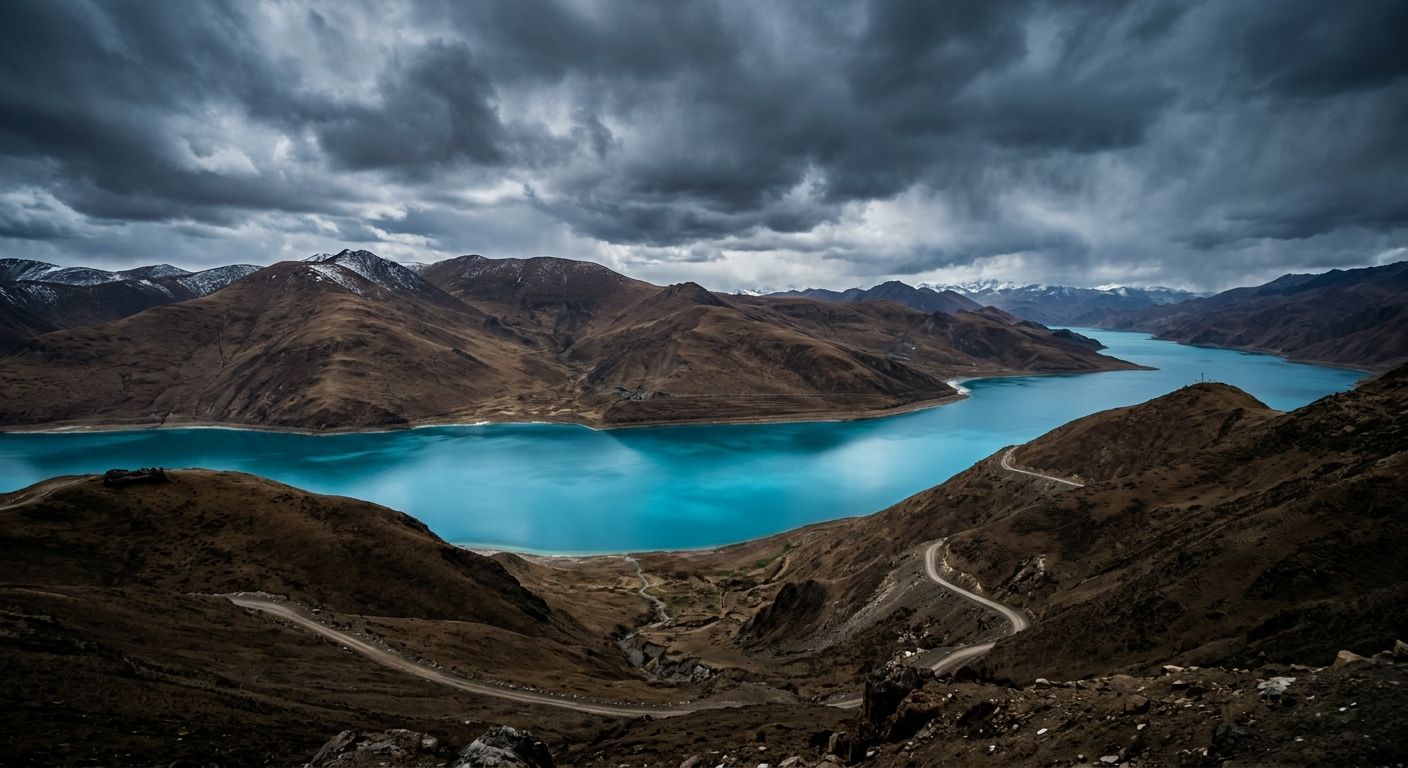
Colors are more saturated. The turquoise of Yamdrok Lake, the gold of monastery roofs, the white of Himalayan snow — all render more vividly than your eye expects. On digital cameras, this means you can often reduce saturation in post-processing and still have punchier colors than any image taken at sea level.
Shadows are harder. The reduced atmosphere means less scattered light filling shadow areas. Midday photography on the plateau produces extreme contrast. This is why we time key photo stops for golden hour — the low-angle light produces the depth and dimension that makes Tibetan landscape photography distinctive.
UV radiation is intense. Without a UV filter on your lens, high-altitude images can appear hazy or slightly blue-shifted, especially in wide-angle shots. Modern multi-coated lenses handle this well, but a quality UV filter is worthwhile insurance.
What Gear Actually Matters
For Dedicated Photographers
- —**Wide-angle lens (16-35mm equivalent):** Non-negotiable for the plateau landscapes and monastery interiors. The scale of the landscape demands it
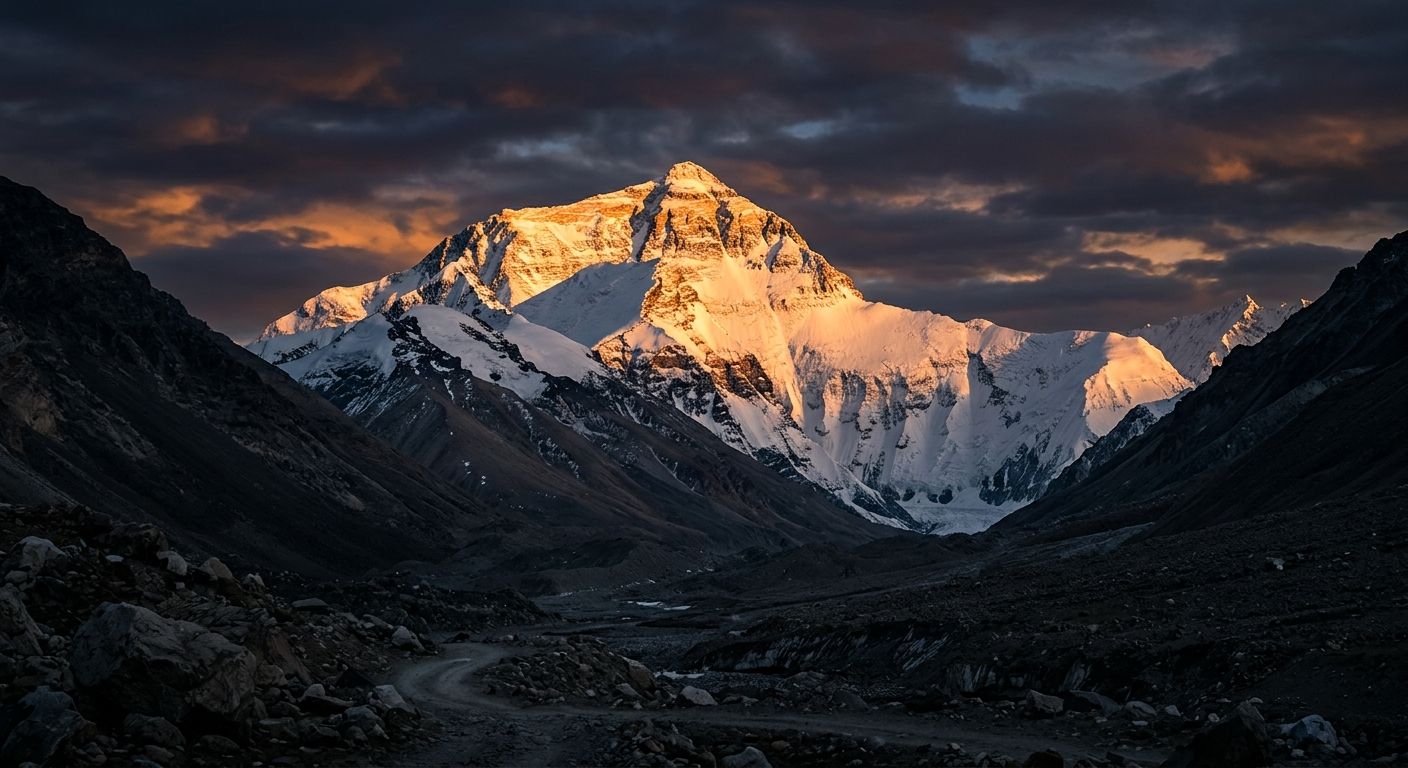
- —**Telephoto (70-200mm):** Essential for Everest portraits and monastery detail shots. The north face is best captured at 100-150mm
- —**Sturdy tripod:** For astrophotography and long exposures of prayer flags in wind. Carbon fiber handles the cold better than aluminum
- —**Spare batteries:** Cold temperatures drain batteries 40-60% faster. We carry charging equipment in the vehicle, but a spare in your warm jacket pocket is essential
For Phone Photography
Modern flagship phones perform remarkably well at altitude. Three tips from our guides:
- —Use the 0.5x ultrawide lens for landscapes — it captures the scale that the standard lens cannot convey
- —Tap to expose on the sky, not the ground. The dynamic range of the scene exceeds what the sensor can capture in a single frame. Slightly underexposing preserves the dramatic sky and lets you lift shadows later
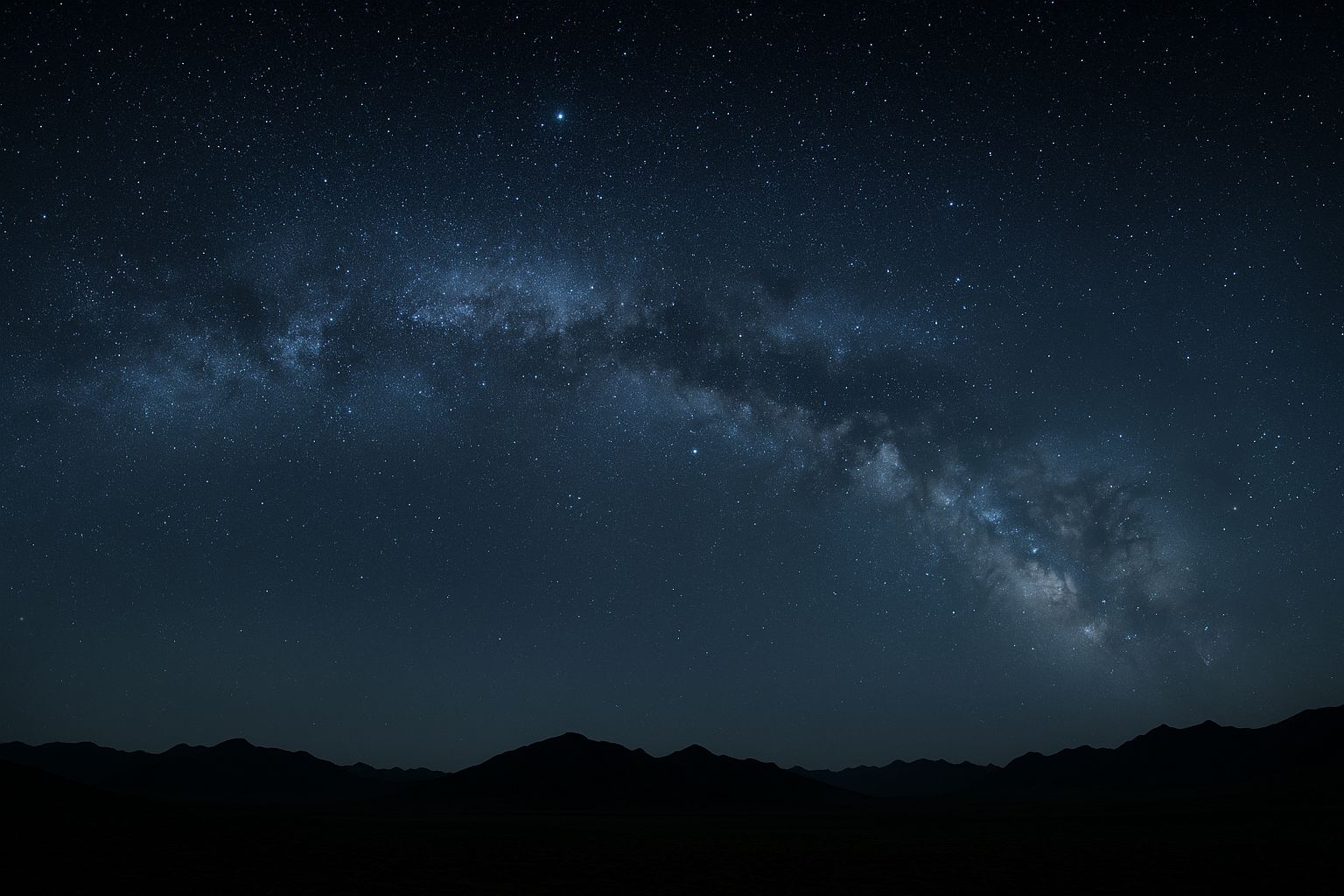
- —Night mode for astrophotography at Rongbuk is transformative. Prop the phone against a rock (we carry a small beanbag mount), set a 10-second timer, and night mode will capture a Milky Way image that would have required a $3,000 camera five years ago
The Drone Portrait
On Day 6 of the expedition, at sunset, we deploy a professional-grade drone for a cinematic aerial portrait. This is not a tourist gimmick. It is a properly composed, color-graded 30-second piece of footage featuring you and Everest's north face.
The footage is captured at 4K, edited in-vehicle using our mobile grading suite, and delivered to your phone via our satellite internet that same evening. The result is something no selfie, no tripod shot, and no ground-level photograph can achieve: your presence in frame with the full vertical scale of the world's tallest mountain behind you.
The Milky Way at Rongbuk
For guests who choose to stay up after the Everest sunset, the astrophotography opportunity at Rongbuk is among the best on the planet. Zero light pollution. 5,200 meters of altitude reducing atmospheric interference. Clear skies on 80% of our expedition nights.
Our guides carry star charts and assist with camera positioning, exposure settings, and composition. The galactic core is visible to the naked eye from late April through October. On a dedicated camera with a 15-second exposure at f/2.8 and ISO 3200, the result is a Milky Way image of publication quality.
The best camera is the one that captures the moment you are present for. Do not spend your time at altitude looking through a viewfinder. Look first. Photograph second.
Our Recommendation
Bring whatever camera you are comfortable with. If that is an iPhone, excellent — we will help you use it to its full potential. If it is a Leica M11 with three prime lenses, our guides will position you at the optimal vantage points and times.
The landscape does the heavy lifting. Your job is to be present for it.