Most luxury travel sells the same thing under different brand names: the temporary feeling of being outside of time. The Maldives sells it. The Swiss Alps sell it. A Mediterranean yacht charter sells it. The product is approximately the same — a few days during which the obligations of regular life are suspended, after which the guest returns to the same life, slightly rested.
Tibet is structured differently. Tibet does not suspend time. Tibet introduces a different time, and that introduction does not end when the expedition does. This is one of the most underrated features of the plateau, and it is the one our guests most often mention in the year following their return.
The Geological Frame
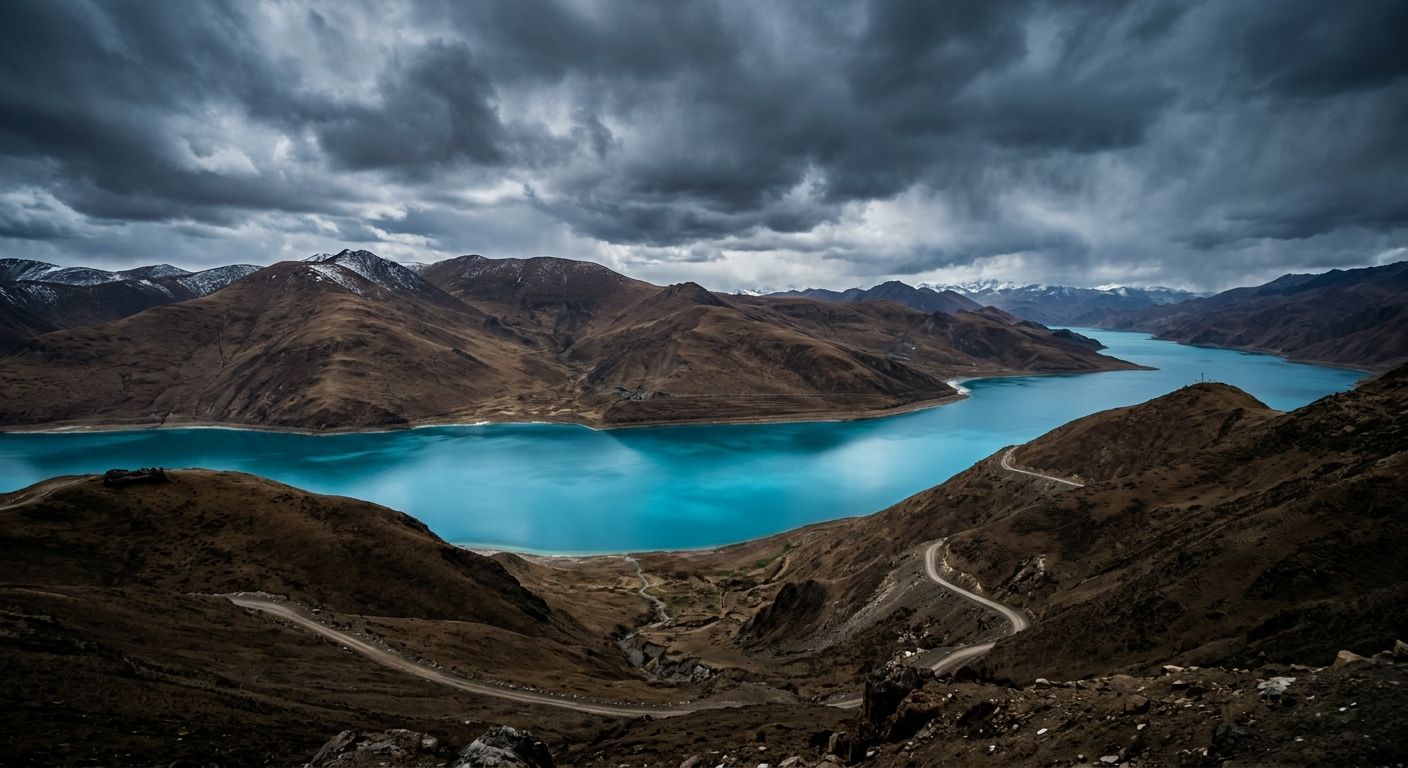
The Tibetan Plateau is approximately fifty million years old in its current form, raised by the ongoing collision of the Indian and Eurasian tectonic plates. Mount Everest is gaining altitude at about four millimeters per year. The Himalayan range is among the youngest mountain systems on Earth — and yet it predates everything that has ever mattered to any human reading this article.
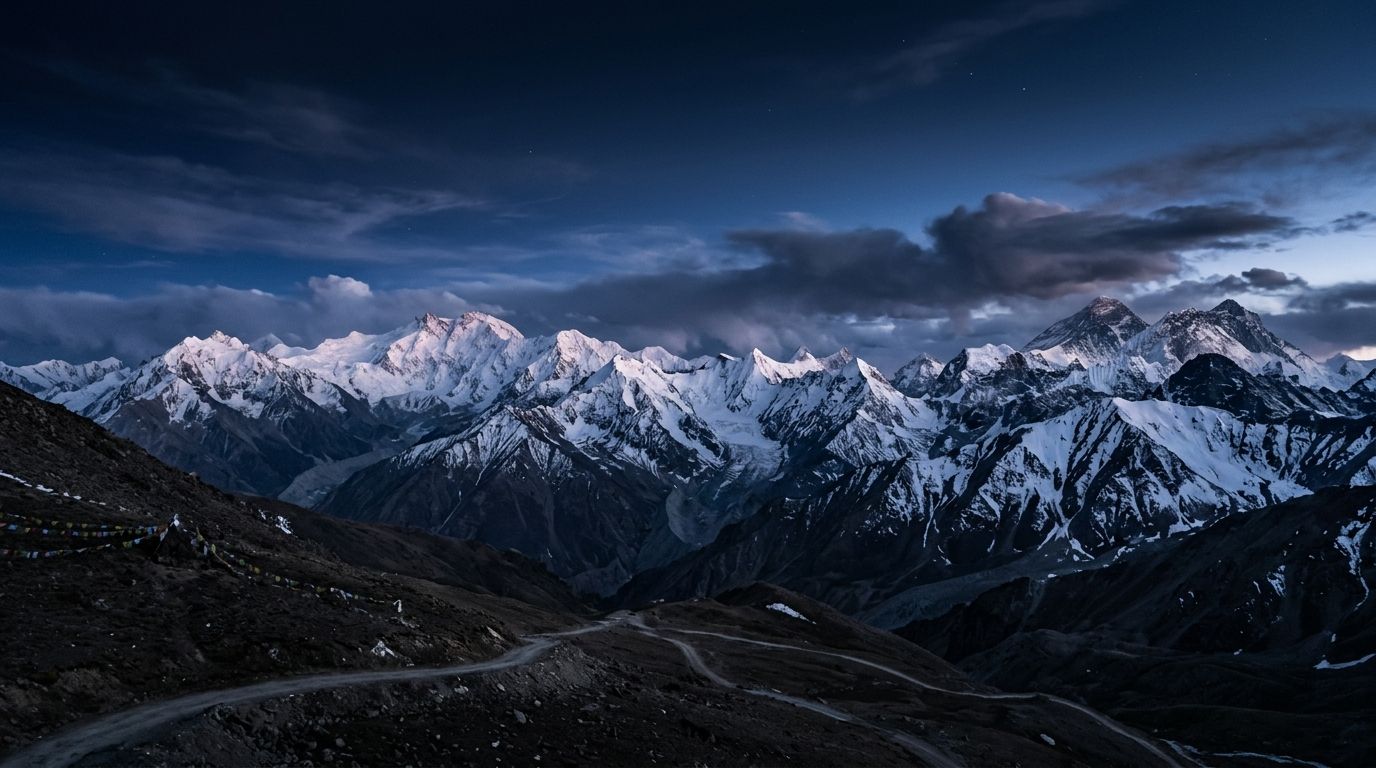
When you stand at Rongbuk and look at the north face of Everest, you are looking at a system that has been functioning, more or less in its current form, for longer than the species you belong to has existed. The light is the same light. The wind is the same wind. The shadows fall in approximately the same patterns.
Most guests do not have language for what this does to their internal frame of reference. They tend to describe it indirectly: "Everything else seemed smaller for a few weeks." "I stopped checking my phone during dinner with my kids." "I made a decision I had been deferring for three years."
These reports are not anecdotal coincidences. They are the predictable result of contact with a temporal frame much larger than the one we operate in daily.
The Monastic Frame
Tibetan Buddhism has an unusual relationship to time among world religions. The tradition uses extremely long timeframes for its conceptual architecture — eons, kalpas, lifetimes — but the practices themselves are deeply rooted in the present moment.
A senior monk in a Lhasa monastery may be working toward goals that extend across multiple lifetimes, but the actual practice on any given morning is bound to this breath, this mantra, this exact arrangement of butter lamps. The combination is unusual: the largest possible frame for purpose, the smallest possible frame for action.
Western executive culture tends to invert this. The frame for purpose is small (the next quarter, the next funding round, the next exit) while the frame for action is large (calendars booked weeks out, decisions deferred for analysis, presence sacrificed for planning).
When our guests sit in the prayer hall at Tashilhunpo Monastery and watch monks chant for ninety minutes — a chant that has been performed in that room for over five hundred years, in roughly the same form — something quietly shifts in how they relate to their own calendar.
The practice is not learning to slow down. The practice is learning that the speed you were operating at was a choice you did not realize you were making.
The Daily Frame
There is a more concrete sense in which the plateau teaches a different time. Days at altitude are physiologically different from days at sea level. The body works harder. Sleep is less restorative. Decisions feel weightier because the cognitive baseline is shifted.
This is why our itinerary is paced more slowly than our competitors'. We do not stack three monasteries into one day. We do not schedule sunset shoots after a five-hour drive. We make space between events, and we let the guest fill that space however they want — which, on a typical Tibet day, often means sitting quietly looking at something distant.
Most guests resist this initially. The first one or two days, they ask whether we have additional activities, whether we can add a stop, whether we are missing something important. By Day 4, the question has stopped. By Day 6, they are actively annoyed when we suggest a transition.
This is not laziness. It is the body and mind catching up to the actual pace at which the landscape operates. Tibet is not in a hurry. The guests who spend a week here begin to recognize that they were the only ones who had been in a hurry in the first place.
What Persists After Return
The most consistent post-expedition feedback we receive is some version of the following: "I cannot quite explain what changed, but my relationship to time is different now."
In specifics, this looks like:
- —Fewer back-to-back meetings, particularly without buffer time
- —More willingness to say "I will think about that and respond next week" rather than answering in the moment
- —Longer, less compressed conversations with family members
- —A decision-making framework that includes asking "Am I doing this because I think it matters, or because the calendar said I should?"
These are not transformative spiritual breakthroughs. They are small operational shifts. But operational shifts in how an executive uses their time tend to compound over years. Several of our guests have credited the post-Tibet temporal recalibration with concrete career decisions: declining a board seat, restructuring an executive team, selling a business they had been running on autopilot.
The Honest Disclaimer
Eight days is not enough to fundamentally change a person's relationship to time. We are honest about this in our consultations. What eight days can do is begin a noticing process — the awareness that the speed you operate at is a choice, not a necessity, and that other speeds are available.
Some guests pursue this awareness afterward and significantly restructure their lives. Some guests notice it and let it fade. Some guests come back two or three years later for a second expedition specifically because they want to re-enter the temporal frame the plateau introduced.
We do not promise transformation. We promise contact with a different time. What you do with the contact is yours.
The Practical Recommendation
If you are reading this and considering an expedition, here is one piece of advice that comes from watching guests over four years.
Do not schedule anything significant in the week immediately after your return. Block your calendar. Tell your team you are unavailable. Do not commit to a board meeting, a family gathering, or a major decision in the first seven days back.
That week is when the temporal frame from the plateau is still active in your nervous system. It is also when most guests instinctively want to fill the space — to compensate for being away. Resist that instinct.
Sit with the post-Tibet pace for at least seven days. Then, if you want, return to your normal velocity. Many guests find they do not.