Tenzin Dorje is the senior cultural guide on every Tibet Reserve expedition. He was born in 1980 in a small village outside Shigatse, raised partly within a monastic community before pursuing a secular education in Lhasa and then in Beijing. He has been guiding travelers across the Tibetan Plateau for twenty-one years. He has worked with us since our second operating season.
We sat down with Tenzin in early September, in the lobby of the St. Regis Lhasa, between two expeditions. Coffee on the table. His phone face-down. The conversation lasted two hours. What follows is an edited version, with his permission, in his own words.
On Why He Became a Guide
"My grandfather was a teacher in our village. Not a school teacher. A keeper of stories. He could recite the entire Gesar epic from memory — that takes weeks if you do it properly. He would tell visitors about the mountains, the rivers, why a particular pass was named what it was named. He did this without payment. It was the role he had in the community.
When I was seventeen, I left for school in Lhasa. Then Beijing. I studied tourism management because someone told me that was a practical degree. I came back to Tibet at twenty-five with a job offer from a Chinese tour operator. Group tours, fifteen to twenty people, mostly domestic visitors.
Within six months I understood that I was doing something fundamentally different from what my grandfather had done. He was sharing. I was performing. The script was the same every day. The visitors did not remember my name. I did not remember theirs. We moved through the landscape together but we were not in the same place.
I quit. I worked construction in Lhasa for almost a year while I figured out what I wanted to do. Eventually I started taking on private clients — one or two at a time — through small operators who needed someone who actually knew what they were talking about. That was 2008. I have not done a group tour since."
On What Most Visitors Miss
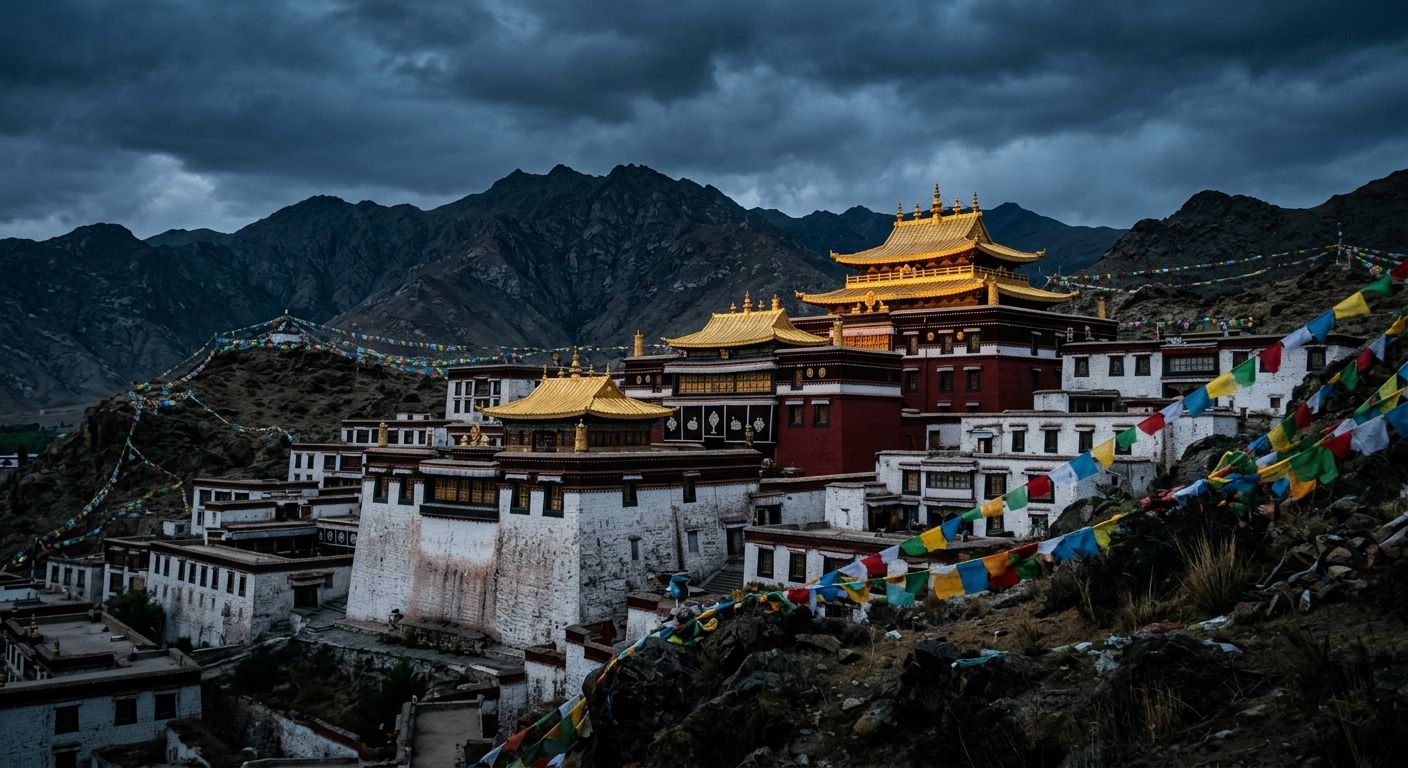
"They miss the silence. Not the physical silence — most of them notice that, especially at Yamdrok and Rongbuk. I mean the silence inside the structures. A Tibetan monastery is a quiet place even when there are people in it. The way the monks move, the way they speak, the way they breathe — it has been calibrated by centuries of practice. Most visitors are too busy taking photographs to feel it.
The other thing they miss is the difference between religious and secular space. Western tourists tend to treat everything in Tibet as 'spiritual.' This is romantic but inaccurate. A noodle shop in Shigatse is a noodle shop. A village wedding is a village wedding. Not every interaction is a meditation.
When I work with a small private party for eight days, by the third or fourth day they start to see this distinction. They become more relaxed because they are not performing 'I am having a spiritual experience.' They start having actual experiences, which are sometimes spiritual and sometimes not."
On the Best Guests
"The best guests are the ones who are tired. Not physically tired — that comes later, with the altitude. I mean tired of their own life. Tired of being the person they have been being. Those guests arrive open. They listen. They ask real questions instead of performance questions.
The ones who arrive sharp, performing busyness, checking emails between sites — they take longer to soften. Sometimes the whole eight days are not enough. But Tibet has its own pace. By Day 5 or 6, even the most resistant guest has slowed down. The altitude does part of it. The landscape does the rest.
I do not push anyone. My job is not to deliver an experience. My job is to be present and answer questions when they are asked, and to be quiet when they are not."
On Difficult Moments
"Once, in 2019, I was guiding a guest who was clearly running from something. A young founder from California. She had sold a company. She did not know what to do next. She had booked the trip on a recommendation from a friend. By Day 3 she was crying at every site, and not because of the beauty.
I did not say anything. I made tea. I walked slowly. I let her sit by herself at Yamdrok for an hour while I waited at the vehicle. On Day 5, at Rongbuk, she asked me — through translation — what I would do if I had her problem. I told her I did not know her problem and I was not qualified to answer.
She said, that is exactly the right answer.
She went home. Two months later, she sent me a letter. Handwritten, mailed to my address in Shigatse. She said the trip had not solved anything but it had given her permission to not solve anything for a while. She had needed that permission. She did not know who else could have given it to her.
I keep the letter in a small box at home. It reminds me what this work actually is."
On What He Tells His Children
"I have two daughters. Tashi is fifteen, Pema is eleven. Tashi has been to Beijing twice. She speaks Mandarin, Tibetan, and is learning English in school. Pema is younger and her world is still smaller.
I tell them the same thing my grandfather told me, which I did not understand until I was past thirty. The mountains will be here longer than you. Live as if that is true.
This is not religious advice. It is geological advice. It is also, as it turns out, useful for almost every question you might have about how to spend your time.
The mountains are not a metaphor. They are a measurement. Spend time near them and your sense of urgency rearranges itself.
Most of our guests do not understand this on Day 1. By Day 8, they understand it without anyone explaining it. The mountain teaches them. I just stand near them and answer questions."
On What Has Changed
"Tibet has changed enormously since 2008. The roads are better. The infrastructure is better. The hotels are better. There are more visitors, though still very few in absolute terms compared to other Asian destinations.
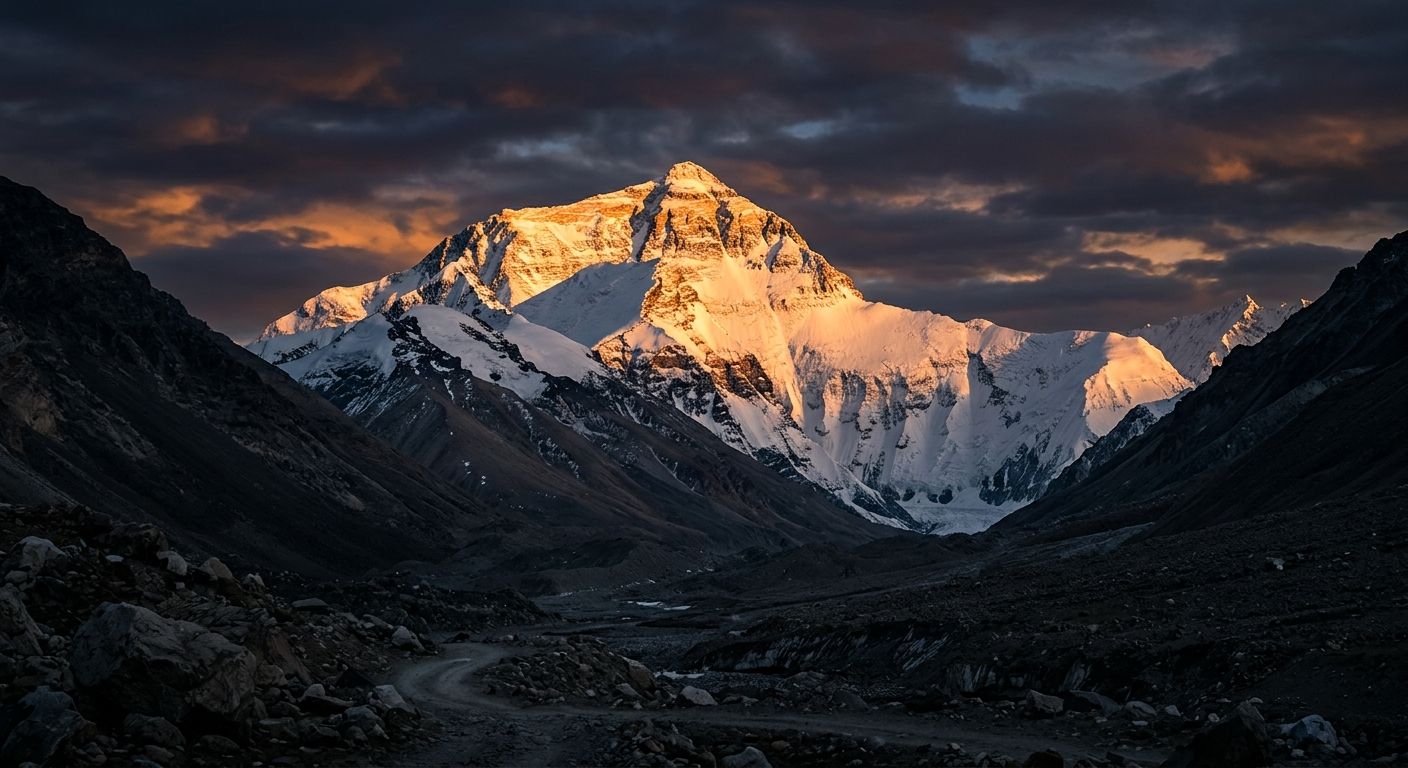
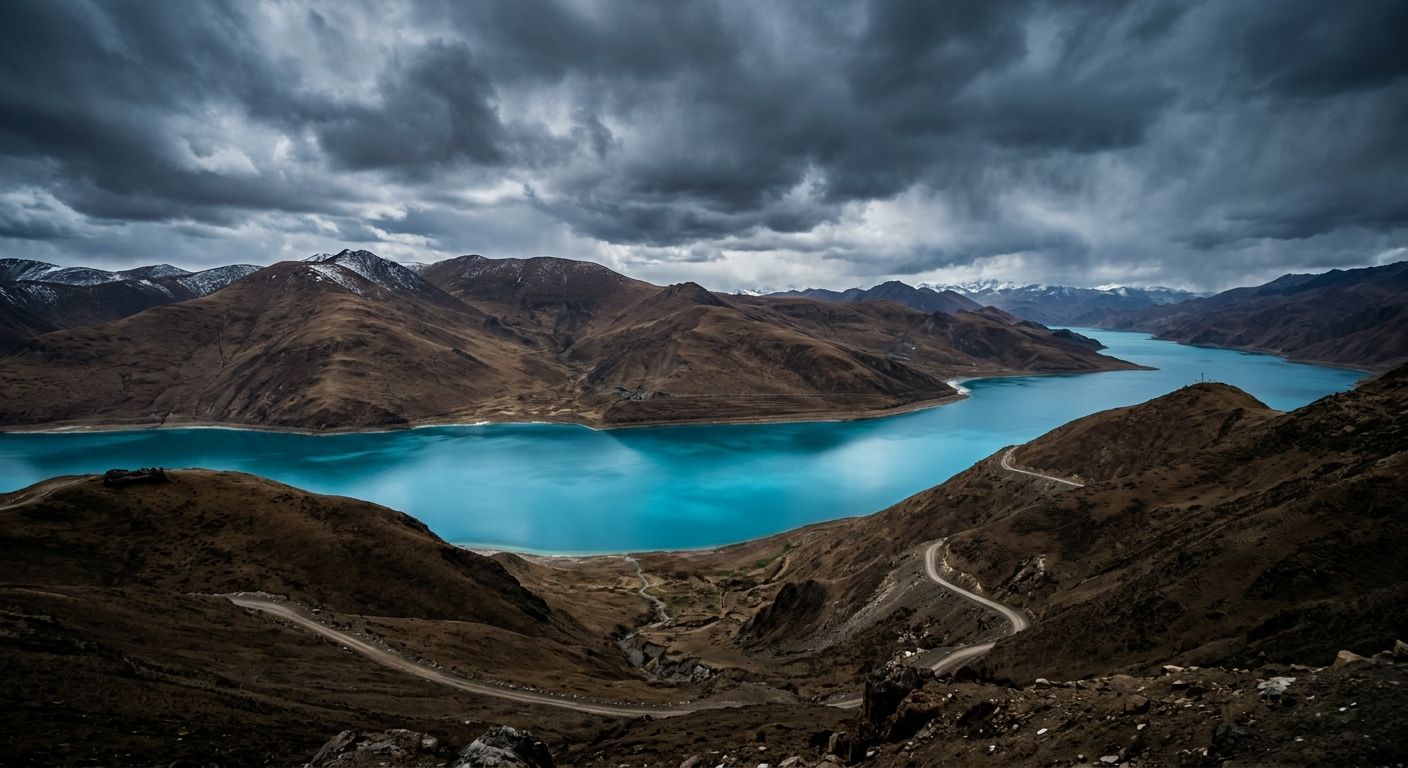
What has not changed is the landscape. Yamdrok is the same color it has always been. Everest is the same height. The light at Rongbuk at sunset is the same light my grandfather described to me when I was a child.
This is what Tibet offers, and this is what I think most luxury travel does not understand. The product is the landscape itself. Not what we build around it. Our job — Bob's job, my job, the physician's job, the driver's job — is to remove obstacles between the guest and the landscape. That is all. The landscape does the rest.
When I started, I thought my role was to teach. Now I know my role is mostly to keep quiet at the right moments and to let the place do the teaching."
On What Comes Next
"I will guide for as long as my body lets me. After that, I will keep telling stories, the way my grandfather did. The work changes form. The work does not stop.
I am sometimes asked whether I am tired of seeing the same places, telling the same histories. I am not. The places do not change but the guests do, and watching the same landscape produce different reactions in different people is its own ongoing education.
This is what I would tell anyone considering an expedition with us. Come tired, come open, and come ready to be quiet for a while. The rest is not difficult. The rest is, in fact, the whole point."