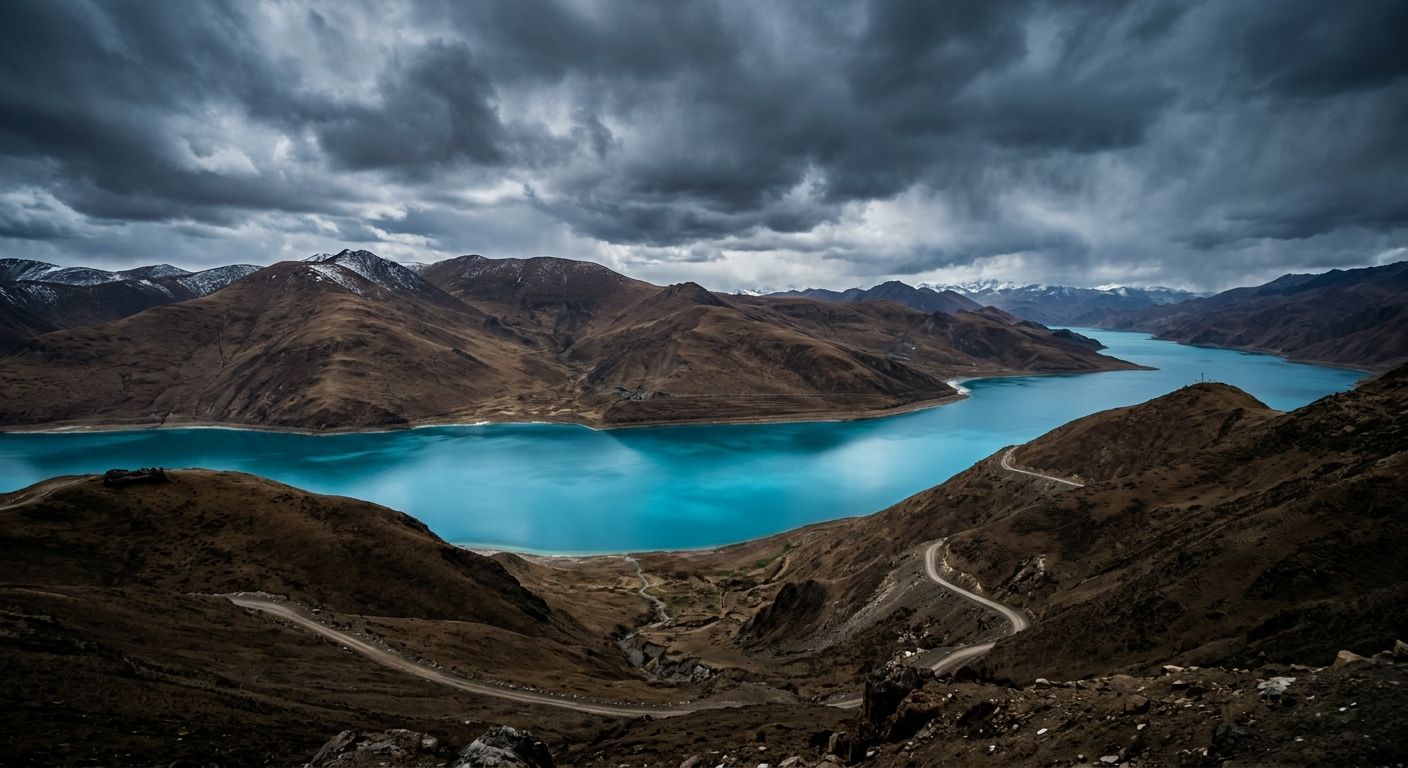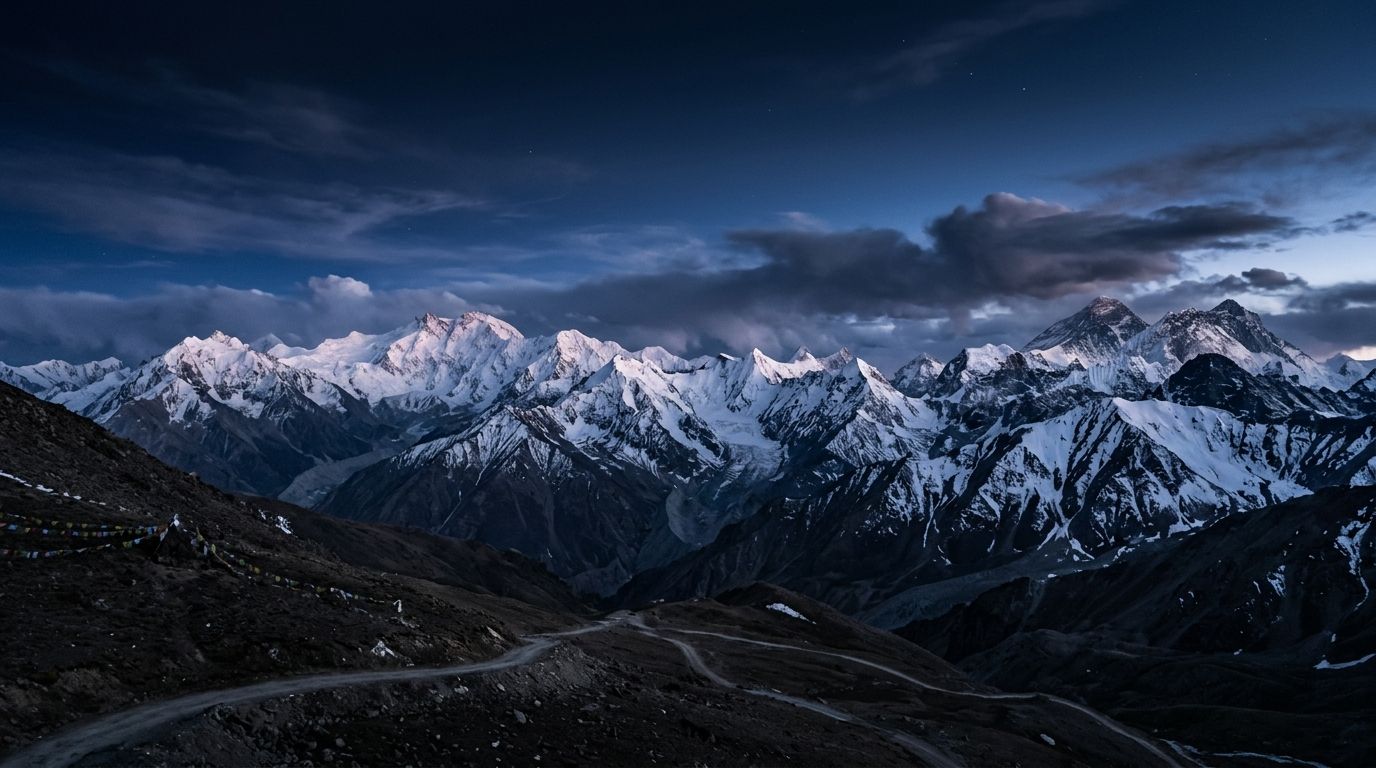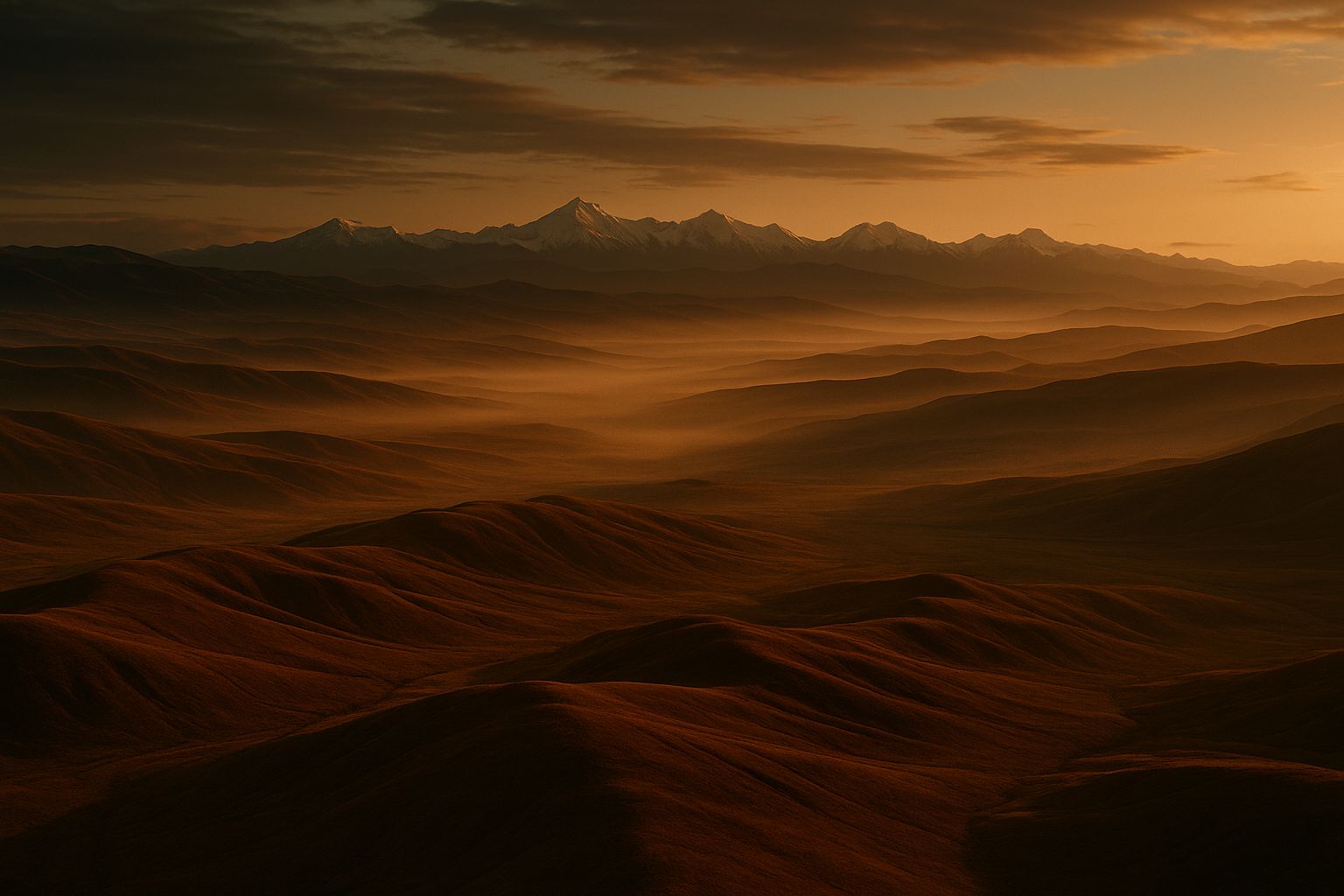
There is a specific moment, somewhere on the drive between Shigatse and Rongbuk, when the road stops feeling like a road and starts feeling like a passage. The plateau opens. The mountains arrange themselves into a geometry that humans did not design. And whatever you thought you were doing — checking email, rehearsing a meeting, reviewing a term sheet — becomes quietly absurd.
I remember the first time I felt it. I was twenty-nine, traveling through Tibet on a private research trip, trying to understand why every wealthy client I knew asked me for the same thing: a trip that would actually mean something.
What I Had Been Doing
For ten years before The Tibet Reserve existed, I arranged private travel across Asia for executives, founders, and family offices. I knew the hotels in Kyoto, the chefs in Shanghai, the pilots who flew the quieter routes into Bhutan. I knew how to get someone into a room they were not supposed to be in, and I knew when to stop trying.
What I did not know, for a long time, was why the most successful clients kept coming back disappointed. The hotels were beautiful. The food was excellent. The logistics were flawless. And yet, the one thing they kept asking for — "something that will actually change me" — was the one thing I could not consistently deliver.
I began to study the difference between the trips they loved and the trips they forgot. It was not about price. Some of the most expensive experiences I arranged faded from memory within a season. It was not about privacy. Plenty of private islands produced nothing but pleasant boredom.
The trips that stayed — the ones guests quoted back to me five years later — shared one quality. They took place in landscapes that refused to accommodate the guest.
The Landscape That Refuses
Most luxury travel is engineered around guest accommodation. The hotel adjusts to you. The resort removes friction. The experience is curated so that nothing unexpected happens.
Tibet does not work this way. You cannot accommodate Everest. You cannot curate the silence at Yamdrok Lake. The altitude will do what it does to your body regardless of how much you paid, and the sky at 5,200 meters will look the way it looks whether you are the CEO of a Fortune 50 company or a monk who has never left the plateau.
This is the point. This is the product.
The Tibet Reserve exists because I spent a decade watching the wrong variables get optimized. I watched operators chase thread count while missing the moment. I watched properties compete on marble finishes while the actual experience — the thing guests would remember forever — happened outside, on a ridge, in weather they were not prepared for.
What We Do Differently
Everything about our operation is built around a single principle: protect the moment, eliminate everything else.
You will not touch a permit. You will not manage a driver. You will not worry about altitude medication, because our expedition physician has already planned for it. You will not carry luggage, order breakfast, or choose a restaurant. Every ancillary decision has been removed from your attention.
What is left? You, in the landscape, with enough bandwidth to actually be present.
The most expensive thing we do is protect twenty-four hours of a guest's attention. Everything else is scaffolding.
The Two-Guest Number
I have been asked — many times — why I do not scale. We could accept more guests. The permit system would allow it. The infrastructure is there. A sixteen-guest operation would be twenty times more profitable than ours.
I will not do it. Here is why.
At two guests, every micro-decision can be personal. What time does breakfast happen? When the guests wake up. Where do we stop for photographs? Where the light is interesting to them. What conversation does the guide initiate? The one the guest actually wants to have.
At sixteen guests, none of this is possible. The schedule becomes a compromise. The guide becomes a logistics manager. The moments become performances for a crowd. And the landscape — the actual thing we came to see — becomes a backdrop for a group photograph.
I started The Tibet Reserve because I wanted to arrange the trip I could not find anywhere else. The trip I would take myself, for my own family, if I could commission anyone in the world to build it. That trip is inherently small. Growing past two guests means abandoning the product.
A Note on Who This Is For
I am not trying to sell The Tibet Reserve to everyone, and I am suspicious of operators who try to sell to everyone. We are built for a specific person: someone who has already traveled the obvious places, who has the resources and time to do this correctly, and who is quietly looking for something that will change how they see their own life.
If you are that person, we should talk. Not because I want to close a sale — the price is what it is, the dates are what they are — but because this works best when both sides are honest about what the expedition is and is not.
It is not a vacation. It is not a wellness retreat. It is not a photo opportunity.
It is eight days in a landscape that will, if you let it, rearrange something inside you. I have watched it happen to guests more times than I can count, and I have watched it happen to myself, on trip after trip, across more than forty journeys now.
I am still not tired of it. I suspect I never will be.
Yours, Bob Wang Founder, The Tibet Reserve