One of the inquiries we receive with growing frequency is some version of "Can we bring our children?" Until recently, the standard luxury travel answer was no — Tibet was treated as an adults-only destination, and children were assumed to be incompatible with high-altitude travel.
We have a different position. We have hosted children as young as ten, in family parties of three to six, on full eight-day expeditions. The experiences have been overwhelmingly positive — for the children, for the parents, and often most surprisingly for the family unit as a whole. But the conditions under which we accept families are specific, and the modifications we make to the standard expedition are significant.
This article describes everything a family should know before booking.
The Age Threshold
We accept children aged ten and above on the standard itinerary. Below ten, we will discuss alternative itineraries that exclude Everest Base Camp, but we do not recommend extreme altitude exposure for younger children.
The ten-year threshold is not arbitrary. It reflects:
- —**Pulmonary maturity**: A child's lungs and cardiovascular system reach essentially adult function around age ten. Below that, altitude tolerance is more variable and less predictable.
- —**Cognitive ability to communicate symptoms**: A ten-year-old can clearly describe a headache, dizziness, or breathlessness. A six-year-old often cannot, which makes altitude monitoring much harder.
- —**Walking endurance**: Most monasteries require thirty to sixty minutes of walking on uneven ground. Older children handle this comfortably. Younger children tire and disengage.
- —**Cultural patience**: The expedition includes long drives and contemplative settings. Older children can engage with this. Younger children frequently cannot.
Below age ten, we will arrange shorter expeditions limited to Lhasa and the surrounding area, with maximum altitudes of 3,650 to 4,000 meters. These are different products from the standard expedition, and we are happy to design them, but we will not pretend they are the same trip.
What Changes for Family Itineraries
When a family with children books, we make specific modifications to the standard eight-day itinerary:
Day 1-2 (Lhasa): Same as standard. Two days of acclimatization at the St. Regis. We add one family-oriented activity — typically a private workshop with a local thangka painter, where children can attempt a simple painting under the artist's guidance. This produces a personal souvenir and a tactile engagement with Tibetan visual culture.
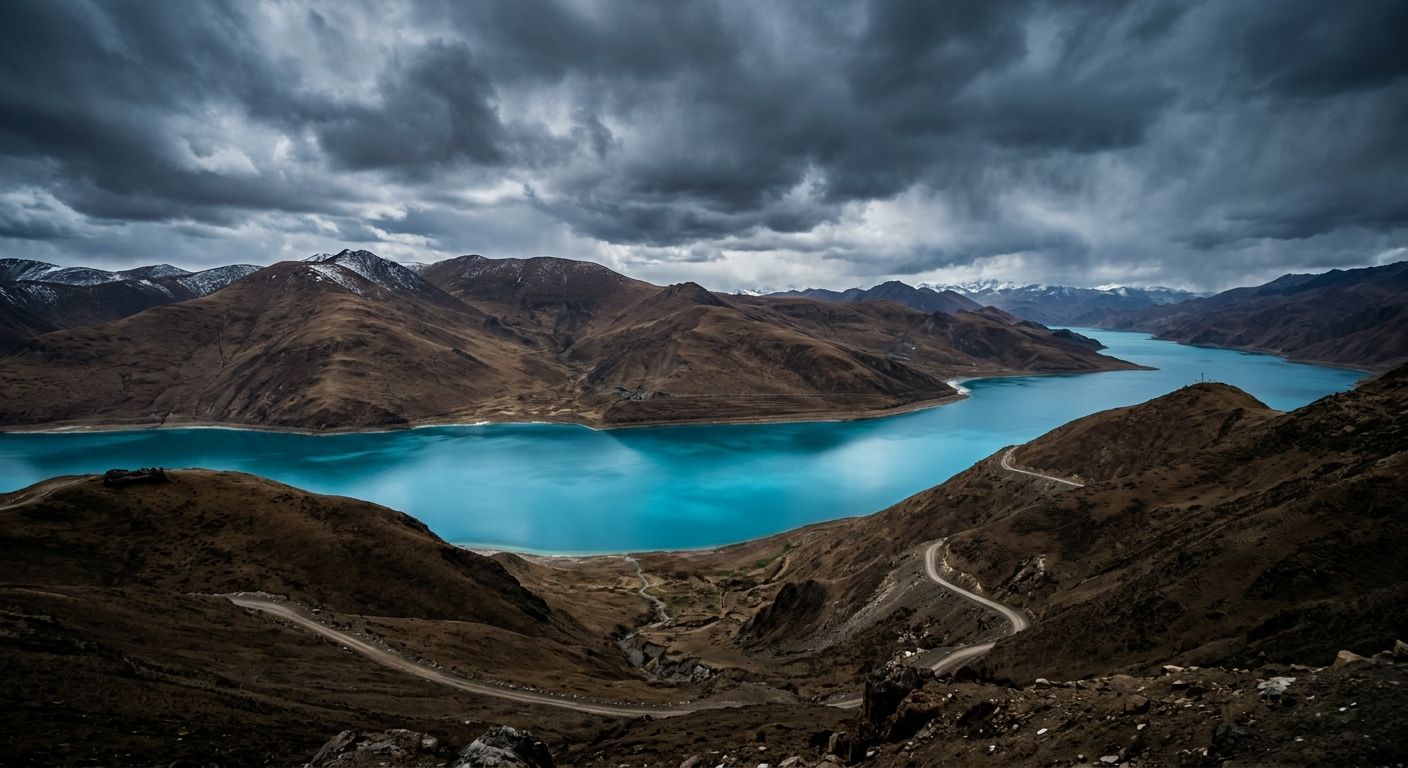
Day 3 (Lhasa to Gyantse): Modified pace. We add one extra rest stop at the lakeshore for stretching and a snack. We do not include the Karo-La glacier walk, which is uneven terrain at 5,045m and inappropriate for younger guests.
Day 4 (Gyantse and Shigatse): Same as standard. The Tashilhunpo Monastery visit is engaging for children of any age — the scale of the gilded statue is genuinely impressive, and our guide adapts the explanation to the age range present.
Day 5 (Shigatse to Tingri): Modified. We split the drive with a longer lunch break at a scenic point along the Yarlung Tsangpo. We arrive at Tingri earlier than the standard schedule.
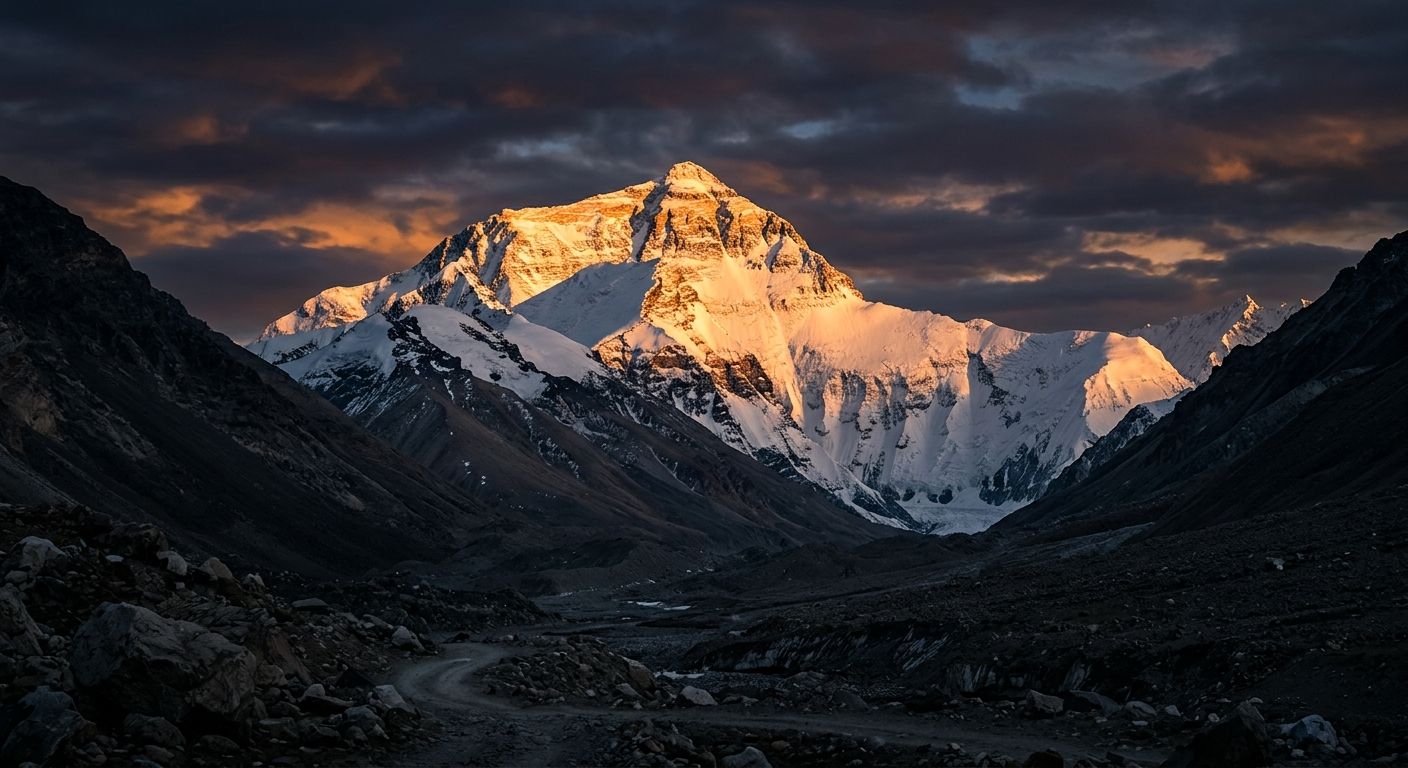
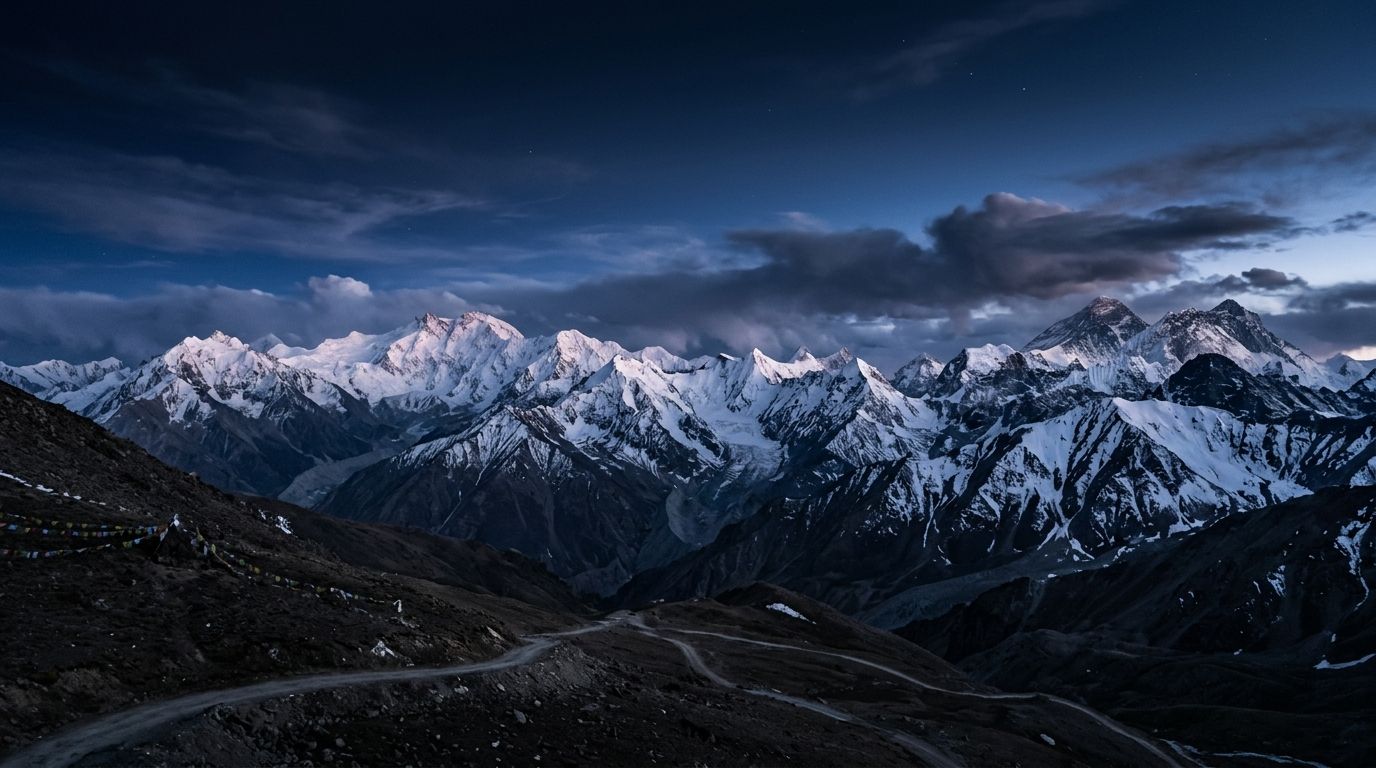
Day 6 (Tingri to Rongbuk): This is the day that requires the most family-specific modification. We: - Depart later (8am instead of 7am) to allow children additional sleep - Stop at the Pang-La summit for only fifteen minutes (not thirty) — sustained exposure to 5,205m is harder on young bodies - Arrive at Rongbuk Camp by noon, with a mandatory two-hour rest period before any further activity - Skip the optional astrophotography session — a 9pm walk at 5,200m is inappropriate for children
Day 7 (descent): Same as standard, with earlier wake-up to accommodate everyone's preferred schedule.
Day 8 (return to Lhasa): Same as standard.
The total experience is essentially the standard expedition with appropriate pacing adjustments — not a watered-down version.
Medical Considerations
Children's altitude physiology is similar to adults' but with some important differences:
Acetazolamide (Diamox) dosing for children is weight-based: roughly 2.5mg per kilogram per dose, twice daily. We work with the family's pediatrician to confirm dosing and to verify any drug interactions before departure.
Hydration is more critical for children. We monitor fluid intake more aggressively — children at altitude are easily distracted and forget to drink. Our guides carry insulated bottles and offer water every thirty to forty-five minutes.
Sleep monitoring is more intensive. Children's sleep at altitude is more disrupted than adults', and the disruption is harder to detect (children rarely volunteer that they slept poorly). Our physician checks in with each family at breakfast about each child's night.
Snacks are constant. We carry a stocked supply of high-quality snacks — not just for blood sugar management, but because eating helps maintain hydration and acclimatization.
Symptom communication is taught, not assumed. On Day 1 in Lhasa, our physician sits with each child and walks through what altitude symptoms feel like, what to say if they feel them, and that there is no shame in asking to stop or rest. This conversation alone has prevented escalation in three separate cases over the past two years.
What Children Actually Experience
The feedback we receive from children is consistent and surprisingly mature. They notice things adults miss: the specific patterns on prayer flags, the sound of pebbles in water at the lake, the texture of monastery floor stones. They engage with the monks in ways adults often find difficult — without performance, with genuine curiosity, and frequently with questions that surprise everyone.
One twelve-year-old, on her second day at Tashilhunpo Monastery, asked the assistant abbot whether the monks ever felt lonely. The abbot — through translation — said that the question had stopped him for a moment, because no adult visitor had ever asked it. He gave a long, thoughtful answer about community, solitude, and the difference between aloneness and loneliness. The mother told us afterward that this was one of the most meaningful moments of the trip, and that her daughter had asked questions about it for weeks after returning home.
This is a recurring pattern. Children frequently extract a different kind of value from Tibet than adults do, and the value sometimes lasts longer.
The plateau does not adapt to your children. Your children, with the right preparation, adapt to it. The adaptation itself becomes a memory neither parent nor child forgets.
What Families Should Bring
In addition to the standard packing recommendations, families should bring:
- —**A familiar comfort item per child** — a favorite stuffed toy, a small blanket, a particular pillowcase. Sleep at altitude is easier with sensory anchors from home.
- —**Books or downloaded media for long drive segments** — we have in-vehicle entertainment, but the cushion of a familiar book helps.
- —**A small journal per child** — many of our young guests have kept expedition journals that they have continued reading and adding to for months after return. We provide branded journals on request.
- —**Sun protection appropriate for children** — children's skin burns faster at altitude than adults'. We carry backup sunscreen, but bring a brand the family already uses.
- —**Comfortable walking shoes already broken in** — not new shoes purchased for the trip.
The Multigenerational Dimension
Some of our most rewarding family expeditions have been multigenerational — grandparents, parents, and children traveling together. The dynamic is unusual and often profound.
Tibet is one of the few destinations where the difference between generations dissolves rapidly. The grandfather who is a retired surgeon, the daughter who is a corporate lawyer, and the eleven-year-old grandson are all equally novice at standing in front of Everest. Nobody has authority over the experience. Everyone is equally awed.
We have observed, more than once, that the conversations that happen on these trips — at dinner, on the drive between sites, walking around Yamdrok at sunset — are the kinds of conversations families often do not have at home. The combination of unfamiliar environment, controlled pace, and the absence of usual distractions creates space for actual dialogue.
We do not advertise this as part of the product. It is not something we engineer. It is, however, something we have come to expect when families travel together, and we structure the schedule with enough unstructured time to allow it to happen.
The Honest Disclaimer
Family expeditions are operationally more complex than standard ones. We deploy a second guide for parties of four or more, and we sometimes deploy a second physician for parties with multiple children. The price reflects this — typically a 15-20% premium over the per-person rate for standard expeditions.
We are also more selective about which family bookings we accept. The consultation includes specific questions about the children's temperament, prior travel history, and physical activity baselines. If the fit is not right, we will say so honestly during the consultation rather than after a deposit has been placed.
For the right families, the expedition is genuinely transformative — not just for the children, but for the family as a unit. For the wrong families, it would be miserable.
We are happy to help you figure out which one you are.