Every Tibet Reserve expedition is limited to exactly two guests. Not four. Not six. Two. This is the single most expensive decision in our business model, and it's the one we will never change.
The Vehicle Equation
Our fleet consists exclusively of Toyota LC150 Prados — specifically selected for chassis rigidity and high-altitude performance. Each Prado has a rear cabin that, with two guests, operates as a private lounge. With four guests, it becomes a minivan. With six, it's a bus.
Two guests means each person has a window seat. Each person can stretch fully. Each person can sleep during a long drive without negotiating space. The vehicle carries your gear, medical oxygen, a premium refreshment setup, and connectivity hardware. Adding more bodies means subtracting from every other element.
The Guide Ratio
With two guests, your guide's attention is undivided. Questions are answered immediately. Pace adjustments happen in real-time. Biometric monitoring is personal, not statistical. Your guide learns your preferences by Day 2 — how you take your coffee, which side of the vehicle you prefer, whether you want conversation or silence.
With a group of ten, your guide manages logistics. With two, your guide curates an experience.
The Access Equation
Many of our micro-touchpoints are physically impossible with larger groups. The private lakeside picnic at Yamdrok? Our shoreline location accommodates two guests and a service setup. Twelve tourists with box lunches is a different product entirely.
The less-crowded Potala Palace vantage points work because two people move through spaces invisibly. A group of twenty announces itself.
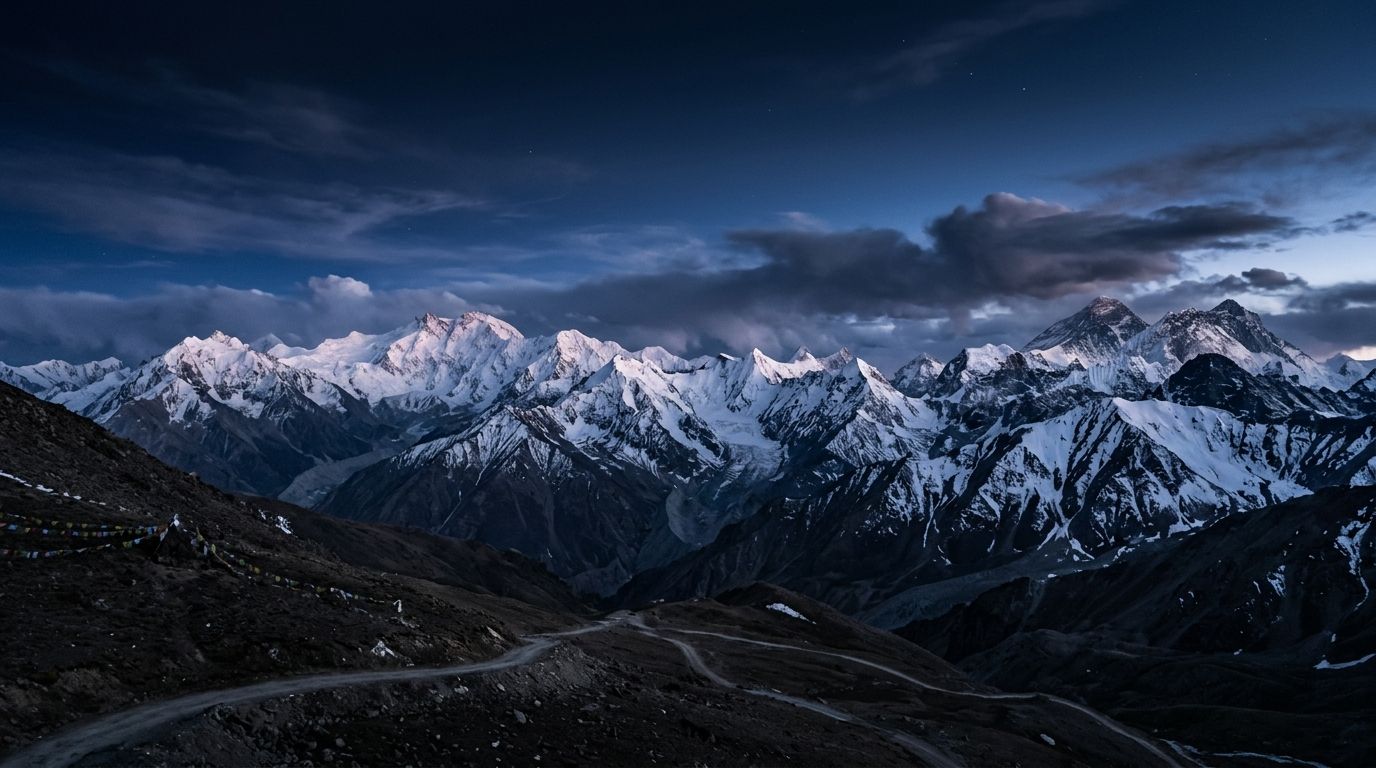
The Everest sunset drone portrait is a cinematic piece featuring two individuals against the world's tallest mountain. It's not a class photo.
The Price Implication
We won't pretend this decision doesn't affect pricing. When you spread the cost of a vehicle, driver, guide, permits, connectivity, medical equipment, and premium provisions across two people instead of twenty, the per-person cost is dramatically higher.
Our starting price of $4,980 per person reflects this arithmetic. It's not a luxury markup — it's the honest cost of refusing to compromise on the two-guest standard.
We believe our guests understand this. They don't want the cheapest way to see Tibet. They want the best. And the best, by definition, cannot be mass-produced.
What Our Guests Say
The feedback we receive most consistently is not about the scenery, the hotels, or even Everest. It's about the feeling of being the only ones. Of having an entire landscape to themselves. Of experiencing a place without the ambient noise of other tourists.
That feeling has a cost. And that cost is: two guests per departure. No exceptions.