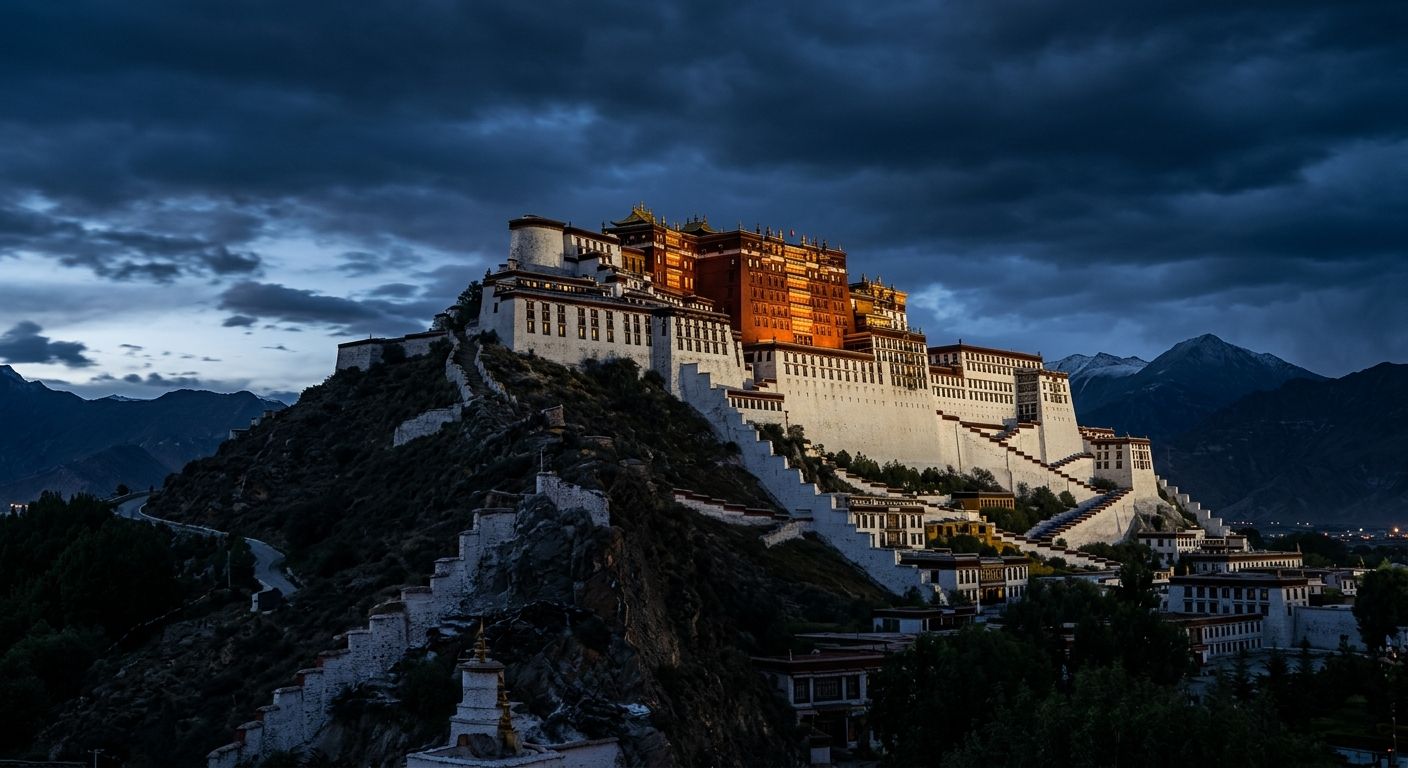
We operate twelve departure windows per year. Each window accommodates exactly two guests. That is twenty-four individuals annually who will experience a Tibet Reserve expedition. In a market where demand for ultra-premium travel has grown 34% year-over-year since 2023, twenty-four seats is not a bottleneck — it is a deliberate constraint.
This article explains why certain months sell out within days, what the optimal booking window looks like, and how the process works from first inquiry to tarmac pickup in Lhasa.
The Twelve-Departure Calendar
Our operating season runs from April through November, with a concentrated schedule that reflects both weather patterns and permit availability. The twelve departures are distributed as follows:
- —**April:** Two departures (early and late)
- —**May:** Two departures
- —**June:** One departure
- —**July:** One departure (monsoon shoulder — experienced guests only)
- —**August:** One departure (monsoon shoulder)
- —**September:** Two departures
- —**October:** Two departures
- —**November:** One departure (late autumn, cold but spectacular)
December through March is dark. We do not operate winter departures for two reasons. First, permit processing slows significantly during the political calendar of the first quarter. Second, temperatures at Everest Base Camp can reach -35C with wind chill, creating conditions that compromise the experience rather than enhance it. We are not in the business of suffering. We are in the business of orchestrated encounters with extraordinary landscape.
Why Spring Disappears First
April and May represent the optimal convergence of every variable that matters.
Weather clarity: Spring offers the highest percentage of clear-sky days across the plateau. Cloud cover averages below 20% in April, compared to 55% during the July-August monsoon influence. This means Everest visibility exceeds 90% on any given expedition day — a number that drops to approximately 40% in midsummer.
Temperature range: Daytime highs of 12-18C in Lhasa and 5-10C at the higher elevations. Cold enough to feel the altitude. Warm enough to stand at Yamdrok Lake without retreating to the vehicle.
Landscape color: The spring thaw produces a specific quality of light on the plateau. Lakes reach peak turquoise saturation as glacial melt intensifies. The contrast between barren brown terrain and impossibly blue water is at its most dramatic in late April.
Permit processing: The Tibet Tourism Bureau operates at full capacity in spring. Processing times are predictable — 15 to 18 business days — with minimal bureaucratic friction.
Our April 2026 departures filled within 72 hours of announcement. This is not manufactured scarcity. Our mailing list includes approximately 400 qualified prospects — individuals who have completed an initial consultation and expressed intent. When two April dates open, the conversion math is simple.
The Autumn Alternative
For those who miss the spring window, September and October represent the second-best booking period. Post-monsoon clarity returns rapidly, and autumn light produces warmer tones across the landscape. Everest visibility recovers to approximately 85%.
October in particular offers a quality that spring does not: the first dusting of snow on the surrounding peaks while the plateau itself remains dry and navigable. The visual contrast is extraordinary. Several of our most compelling guest photographs have been captured in the third week of October.
Autumn departures typically sell within two to three weeks of announcement, giving prospects a slightly longer decision window than spring.
The Permit Timeline
Understanding the permit timeline is essential for realistic planning. The Tibet Travel Permit is not a same-day approval. It is a bureaucratic process with fixed timelines that cannot be accelerated regardless of who you are.
- —**60+ days before departure:** Initial consultation and eligibility verification. We confirm your passport nationality is approved and that no travel advisories affect your specific dates
- —**60 days before departure:** Passport scan submitted. This is the only document we require from you
- —**45 days before departure:** Tibet Travel Permit application initiated through our licensed Lhasa operations team
- —**25-30 days before departure:** TTP confirmed. Military Permit and Frontier Pass applications begin simultaneously
- —**7-10 days before departure:** All permits secured. Confirmation sent. Flight and hotel bookings finalized
- —**Day of arrival:** Our team meets you on the tarmac. Permits are presented to officials on your behalf. You never see the paperwork
The practical implication: serious planning should begin a minimum of 60 days before your target departure. For spring dates, this means initiating contact no later than early February.
The Booking Process
Our process is intentionally unhurried. We do not have a "Book Now" button. We do not accept deposits from people we have not spoken with. The sequence is as follows:
Step 1 — Consultation. A 30-minute conversation with our operations director. We discuss your travel history, physical comfort with altitude, scheduling constraints, and what you hope to experience. This is also where we assess fit. Not every inquiry becomes a booking, and that selectivity is part of what preserves the experience.
Step 2 — Proposal. Within 48 hours of the consultation, you receive a detailed expedition proposal including specific dates, routing, hotel confirmations, and the complete cost breakdown. No hidden fees. No "upgrades available."
Step 3 — Deposit. A 50% deposit secures your dates. The balance is due 30 days before departure. We accept wire transfer only — not because we are pretentious, but because credit card processing fees on a $49,800 transaction are substantial, and we prefer to invest that margin in the expedition itself.
Step 4 — Permit initiation. Upon deposit confirmation, we immediately begin the permit process. Your passport scan is the only action item on your end.
Step 5 — Confirmation. Seven to ten days before departure, you receive a final confirmation with arrival instructions, weather briefing, packing notes, and your guide's direct contact information.
Current Availability
As of this writing, our April 2026 departures are fully booked. May has one departure window remaining. September and October dates are open but will be announced to our consultation list before becoming publicly available.
If you are reading this and considering a 2026 expedition, the next step is a consultation. Not a commitment — a conversation. We will tell you honestly whether the timing, the dates, and the experience are right for you.
Reach out. The window is open, but it is not wide.