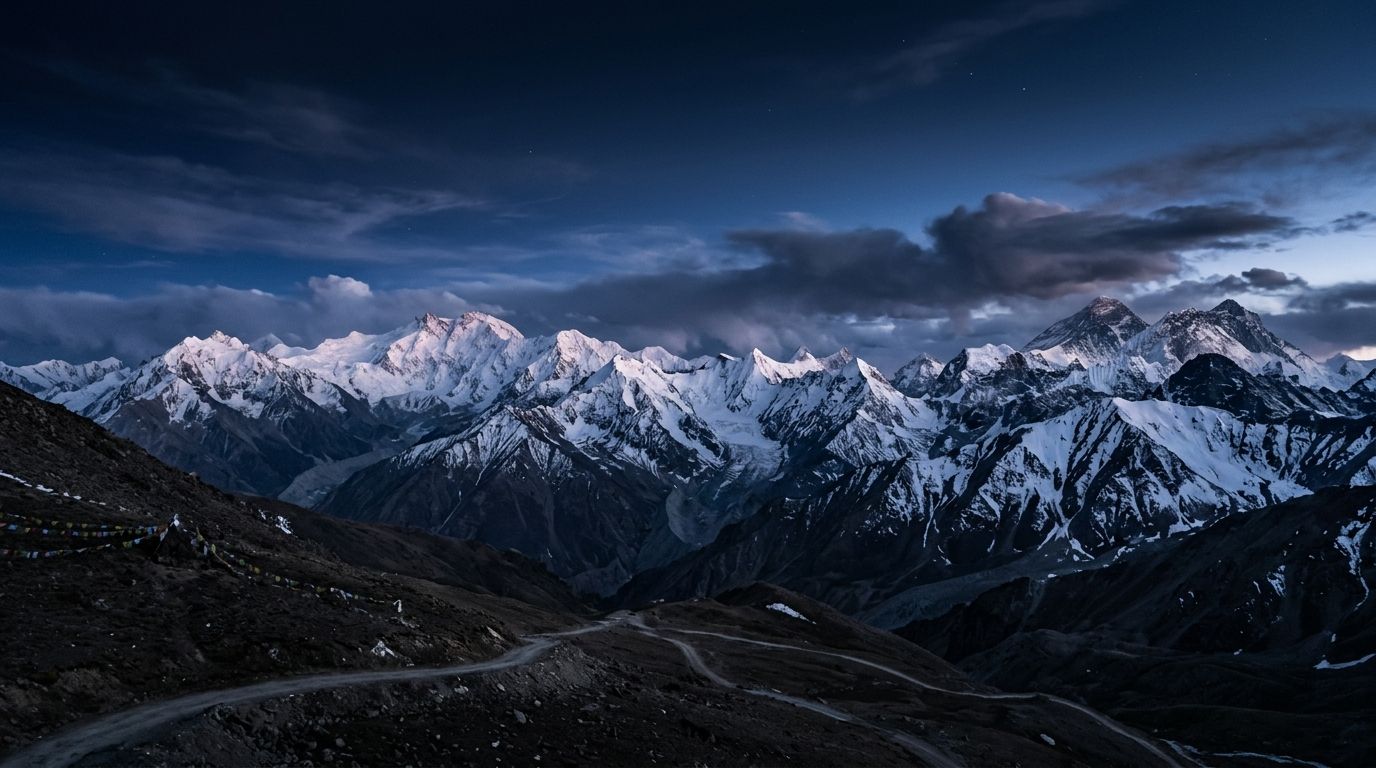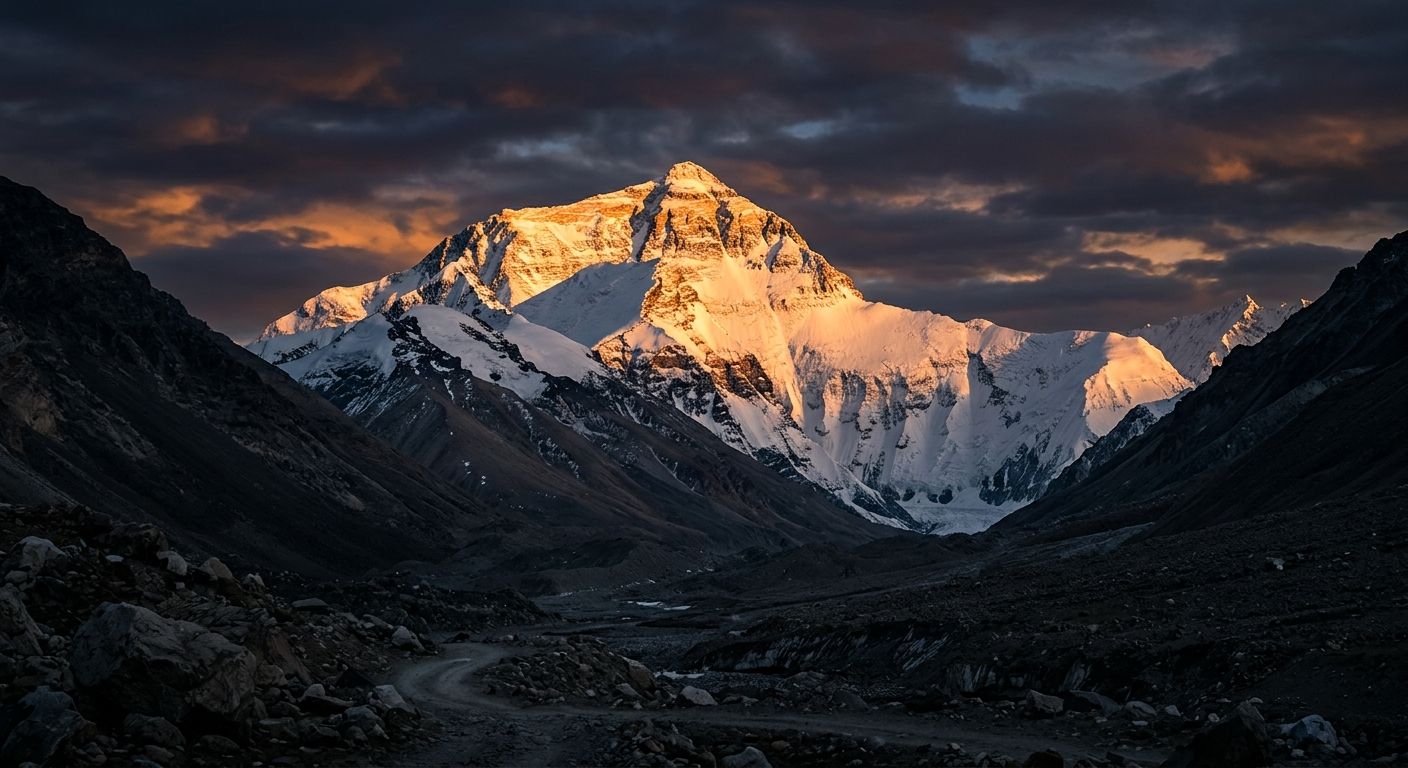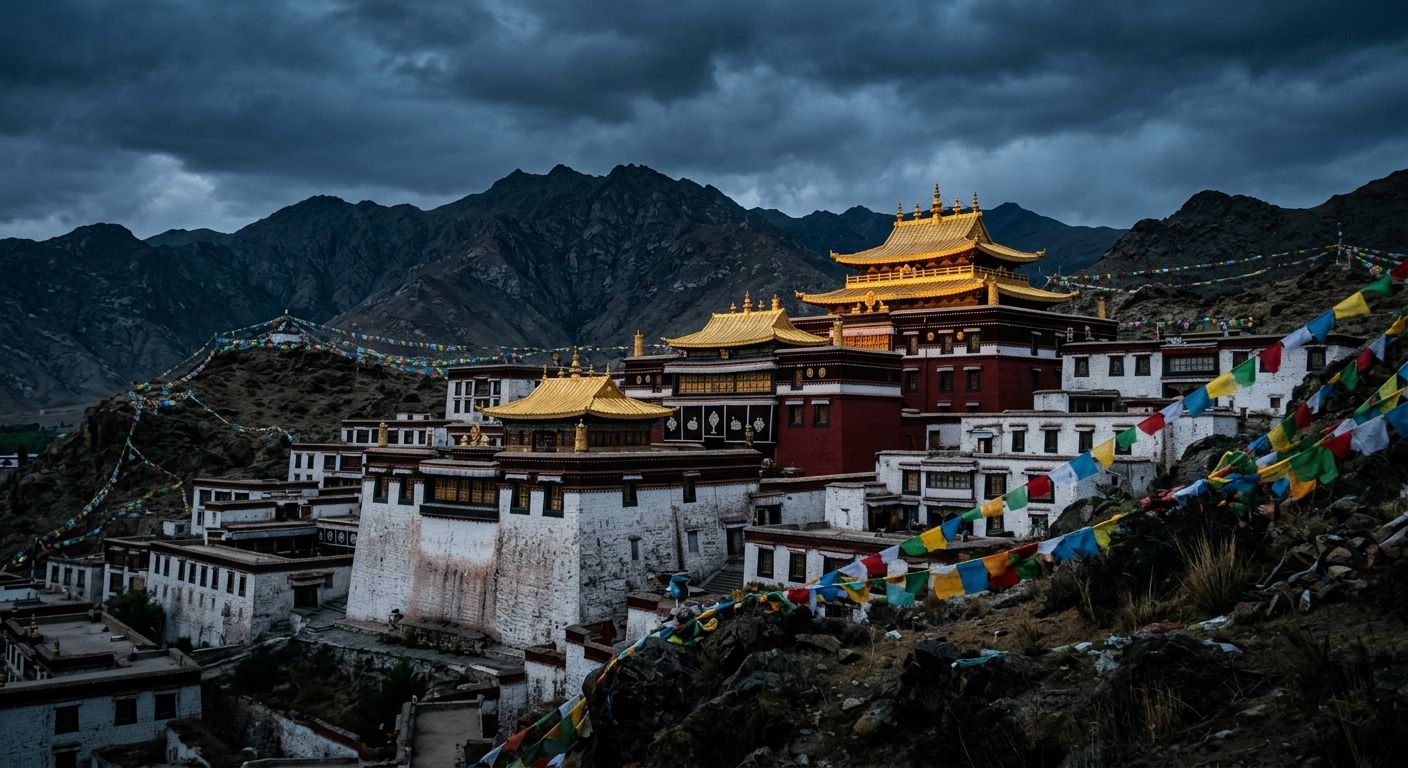
Every Tibet itinerary includes the Potala Palace. Most include Jokhang Temple and Tashilhunpo Monastery. These are magnificent, historically significant sites that deserve their prominence. They are also, during peak season, visited by hundreds of tourists daily.
The Tibet Reserve itinerary includes these landmarks. But it also includes access to three smaller monasteries that do not appear in any commercial guidebook, that are not listed on any travel website, and that most tour operators have never heard of.
We are deliberately vague about their names and locations in public materials. This is not pretension — it is a condition of our access.
How We Gained Access
In 2022, during our second operating season, our senior guide Tenzin Dorje — who was raised in a monastic community in Kham and maintains deep connections within Tibet's religious infrastructure — introduced us to the abbot of a small monastery approximately 90 minutes off the main highway between Lhasa and Gyantse.
The monastery houses fourteen monks. It has no visitor infrastructure, no gift shop, no entrance fee. It is a functioning religious community that predates the Potala Palace by approximately 200 years.
Tenzin asked whether a small private party — quietly, respectfully, with no cameras unless invited — might observe the morning prayer ceremony. The abbot agreed, with conditions:
- —Maximum two visitors at any time
- —No photography during prayers without explicit permission
- —A donation to the monastery's winter fuel fund
- —The monastery's name and location are not published in any marketing material
These conditions aligned perfectly with our operating philosophy. Two guests. Quiet observation. Genuine cultural exchange rather than tourism.
What You Experience
The morning prayer ceremony begins before dawn. You arrive in darkness, guided by Tenzin to a wooden bench at the rear of the prayer hall. The room is lit by yak butter candles. The air carries the scent of juniper incense and centuries of devotion.
Fourteen monks chant in a harmonic register that Western music theory cannot fully explain. The sound is not melodic in the conventional sense — it is vibrational. You feel it in your chest before you process it with your ears.
The ceremony lasts approximately 45 minutes. During this time, you are not a tourist. You are not a guest. You are a witness to a practice that has continued, in this room, in this exact form, for over 600 years.
When the ceremony concludes, the abbot typically invites guests to share butter tea in his quarters. The conversation — translated by Tenzin — ranges from Buddhist philosophy to surprisingly pointed questions about Western life. One guest, a technology CEO from San Francisco, was asked: "If your devices give you so much information, why do you have so little peace?"
The Other Two
The second monastery sits at 4,200 meters on a ridge overlooking the route to Shigatse. It is even smaller — seven monks — and specializes in the creation of sand mandalas, intricate geometric patterns made from colored sand that take weeks to create and are ceremonially destroyed upon completion. The impermanence is the point.
The third is near Rongbuk, and we visit it only during autumn expeditions when the monks are in residence rather than retreat. This monastery maintains a library of hand-copied Buddhist texts that scholars have traveled from Kyoto, Oxford, and Berkeley to study. Our guests are shown the library by a monk who has spent forty years cataloguing its contents.
Why This Matters
These experiences cannot be purchased at any price from any other operator. They exist because of personal relationships built over years, maintained through consistent respect for the conditions of access, and limited to small private parties at a time precisely because that is what the monasteries will accept.
This is what we mean when we say the expedition is "not a tour." A tour takes you to places that are prepared for tourists. We take you to places that have agreed, selectively and conditionally, to let you witness something real.
The difference is not subtle. And once you have experienced it, every subsequent tourist attraction will feel like a performance.