Most luxury travel writing about Tibet skips the food. This is a mistake. Food at altitude is not a peripheral concern — it is central to whether the guest's body adapts well or poorly, and central to whether the guest enjoys themselves at any point above 4,000 meters.
We curate every meal across the eight days of the expedition with both pleasures: that of taste and that of physiological appropriateness. This article explains what guests actually eat, why those choices were made, and what to expect across the eight days.
Traditional Tibetan Cuisine: A Brief Reality Check
The actual traditional cuisine of Tibet is shaped by extreme conditions: high altitude, limited arable land, long winters, and historical reliance on yak husbandry. The staples are:
- —**Tsampa** — roasted barley flour, the basic Tibetan carbohydrate, mixed with butter tea or water into a dense paste. Excellent for energy. An acquired taste.
- —**Yak butter tea** — black tea churned with yak butter and salt. Essential for hydration and calorie density at altitude. Tastes, to most Western palates, surprising.
- —**Momos** — steamed or fried dumplings, usually filled with yak meat or vegetables. Universally well-received.
- —**Thukpa** — noodle soup with vegetables and meat. Hearty, warming, easy to digest.
- —**Yak meat** — leaner than beef, often served as stew or jerky. High in protein and iron.
Our guests sample most of these during the expedition, but no meal forces traditional Tibetan cuisine on anyone. Our culinary direction is broader — incorporating traditional Tibetan elements where they work, and supplementing with Western and Asian dishes where they work better.
The Hotel Restaurants
Both the St. Regis Lhasa and the Hilton Shigatse maintain international standards. Breakfast options span continental, full English, Cantonese dim sum, and Tibetan traditional. The St. Regis pastry program — sourdough, croissants, French-style brioche — is particularly strong given the altitude challenges of bread baking.
Dinner at the St. Regis Decanter restaurant is the gastronomic high point of the expedition. The menu rotates seasonally and emphasizes locally sourced ingredients where available — yak tenderloin, Tibetan high-altitude vegetables, freshwater fish from regulated lakes. The wine program includes a thoughtful selection of European and Chinese labels selected for altitude performance (some wines, particularly tannic reds, taste different at altitude — the chef has accounted for this).
We typically arrange one private dining experience at the St. Regis: a chef's tasting menu in a reserved room, paired wines, with the executive chef making at least one course presentation. This is not standard. It is something we have negotiated as part of our long-standing relationship with the property.
The Private Picnics
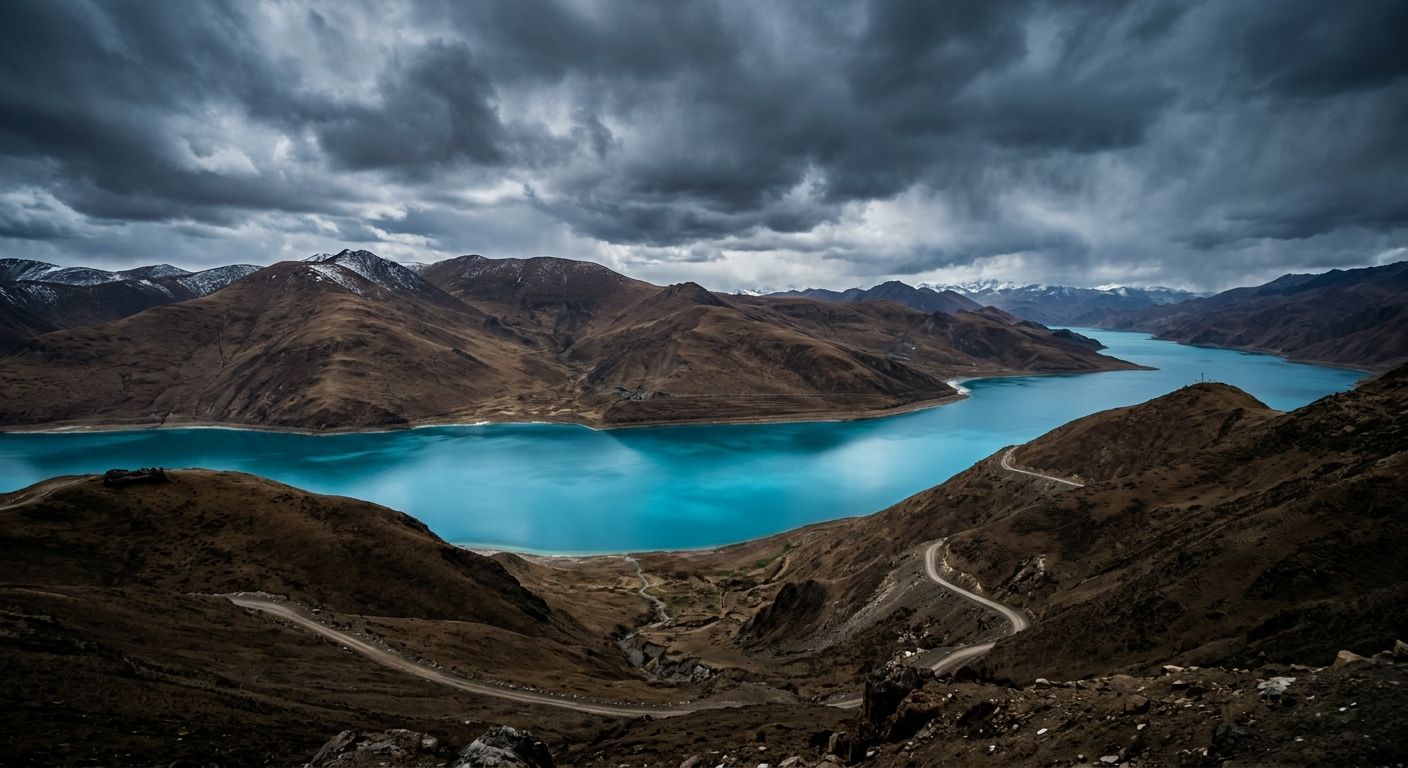
The private picnic at Yamdrok Lake (Day 3) is the meal most guests remember most clearly. The setup involves:
Coffee service: Hand-poured pour-over, prepared on site by our guide. Beans rotate seasonally — typically a single-origin Ethiopian or Kenyan, occasionally a Sumatran. Water is brought to a precise temperature using a thermal kettle (water boils at 85°C at this altitude, which is actually optimal for filter coffee).
Tea service: A selection of premium teas, prepared in glass-walled pots so the leaves are visible. Typically includes a Japanese gyokuro, a Chinese long jing, and a Tibetan high-mountain black tea.
Light meal: Composed plates rather than a large spread. Usually includes: - A protein (smoked salmon, prosciutto-wrapped figs, or seared yak medallions depending on the season) - A grain element (a barley salad with herbs, or a quinoa-pomegranate composition) - Fresh fruit (carefully transported — at altitude, soft fruits bruise more easily) - A signature chocolate selection (Maison du Chocolat, Pierre Marcolini, or seasonal Godiva)
The presentation matters. We use proper porcelain — not paper plates. Linen napkins. A weighted setup that does not blow over in the lake breeze. The whole thing reads as restaurant-quality, deployed at 4,441 meters above a sacred lake.
This is not a marketing exercise. The contrast between the setting and the service is precisely the point. It produces a sensory memory most guests carry for years.
The Rongbuk Dinner
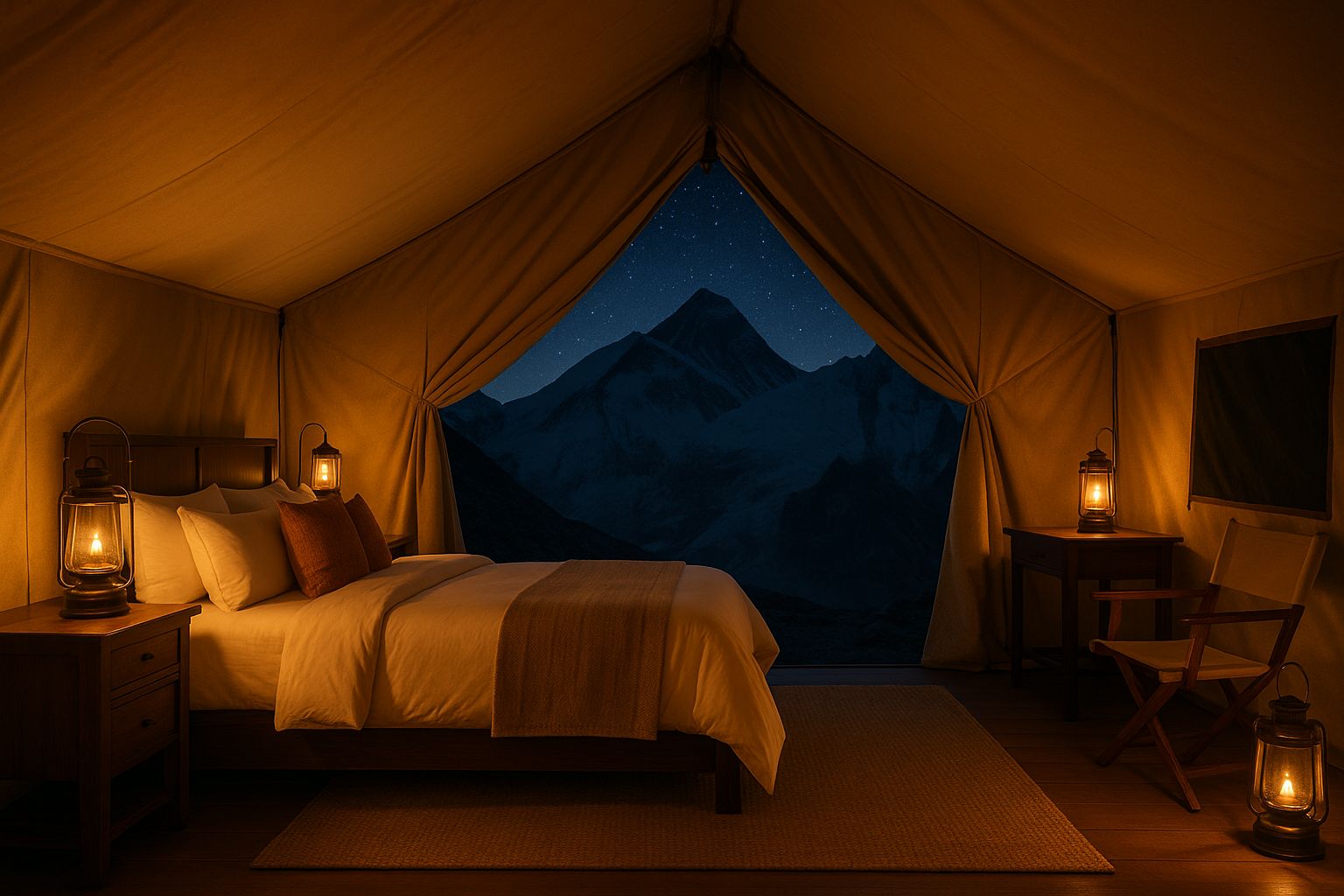
The dinner at our exclusive Rongbuk camp (Day 6) is the most operationally challenging meal of the expedition. The kitchen setup is a properly outfitted field galley with two professional cooks and a stocked larder transported from Shigatse the day before. Power is provided by a silent solar-and-battery system. Water is filtered on site.
The menu is deliberately warming and high-calorie. At 5,200 meters, the body burns approximately 25% more calories than at sea level due to thermoregulation and basal metabolic increase. Underfeeding at altitude is a common contributor to sleep disturbance and altitude symptoms.
A typical Rongbuk dinner:
- —A warming consommé to start (often a yak-bone broth with ginger and scallion, light on salt)
- —A main of slow-cooked protein with grain and vegetable accompaniments
- —A simple but indulgent dessert (chocolate fondant, fresh fruit with cream)
- —Hot herbal teas to follow
We do not serve alcohol at Rongbuk. This is not optional — alcohol depresses respiration, which is the opposite of what the body needs at 5,200 meters. The temperance is for two or three nights. Most guests do not miss it.
Dietary Restrictions and Preferences
Every guest completes a detailed dietary questionnaire during the booking process. We ask about:
- —Allergies (severe and mild)
- —Religious dietary requirements (kosher, halal, Hindu vegetarian)
- —Lifestyle dietary preferences (vegan, gluten-free, low-sodium, ketogenic)
- —Aversions (foods you simply do not enjoy)
- —Medications and their food interactions
- —Specific cravings or comfort foods you would like included
This questionnaire is not for show. The chefs at our hotels and our private picnic team review it before your arrival. We have hosted guests with combinations of restrictions that would defeat most fine-dining operations — a vegan with a gluten allergy and a soy intolerance, a guest in active recovery from gastric surgery, a kosher-observant family on a multigenerational expedition. Each was accommodated without compromise.
Food at altitude is a clinical variable, not just a luxury detail. We treat it that way, which is why most guests sleep better and acclimatize more cleanly than they expect.
What We Avoid
There are specific things we do not serve at altitude, regardless of guest preference, because they tend to interact poorly with the physiology:
- —**Heavy, fatty meals at dinner above 4,000 meters** — these slow gastric emptying and worsen sleep
- —**Spicy food beyond moderate levels** — capsaicin reduces airway reactivity, which can mask early altitude symptoms
- —**Excessive caffeine after 2pm** — sleep at altitude is already disrupted; we do not compound it
- —**Raw seafood** — refrigeration logistics across the plateau are imperfect, and we do not take risks
- —**Unfamiliar local street food** — interesting but operationally unsupervised; we offer Tibetan dishes prepared in our kitchens instead
The Honest Recommendation
Come hungry on Day 1. Do not eat lightly to "save room" — at altitude, your appetite will decrease over the first two or three days, and you want to enter the expedition well-fueled.
Drink the butter tea at least once. You may not enjoy it. You will remember it.
Try at least one dish you have not had before. Tsampa with butter tea, a properly made yak momo, a Tibetan-style fried bread for breakfast. These are foods that exist nowhere else on earth in the form they take here.
And expect to sleep more deeply at altitude when you have eaten well. Bad food at 5,200 meters becomes a medical issue. We have engineered the menu to make sure that does not happen.